
Hospital Real de Granada: A Historic Gem in Spain
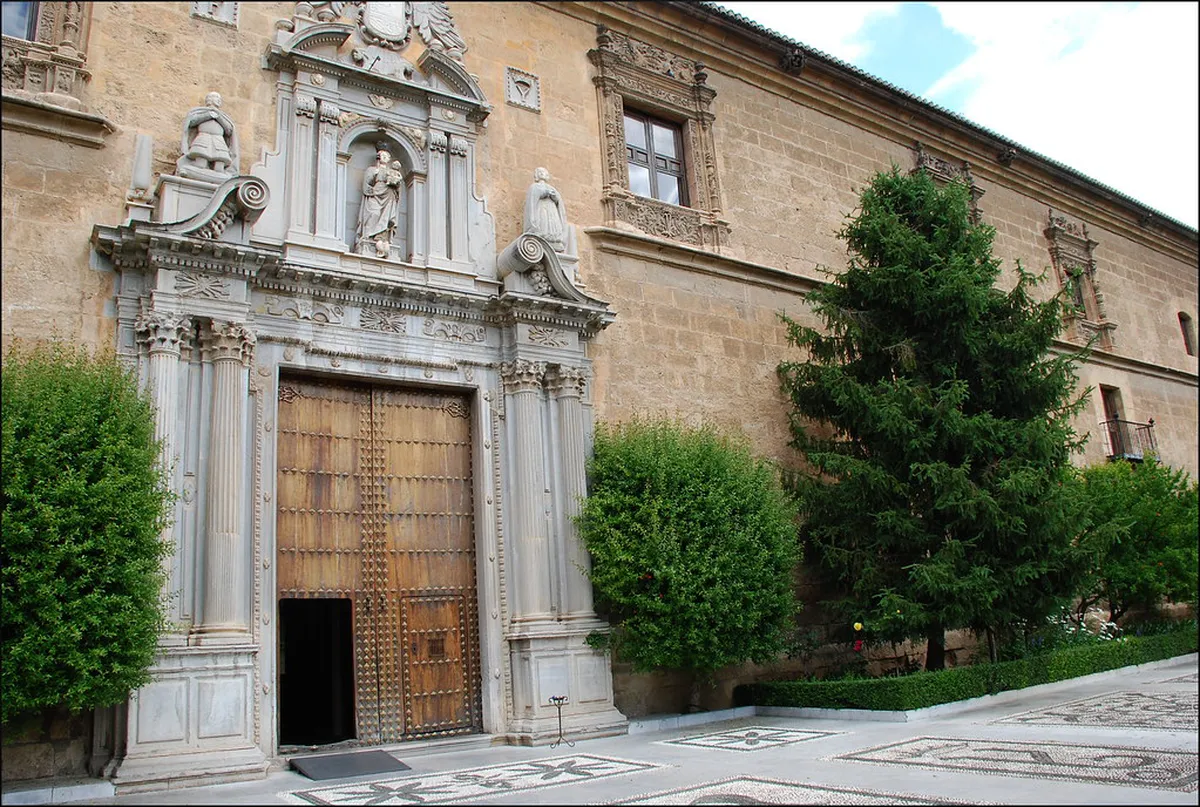
Table of Contents
Explore Granada's Majestic Hospital Real in 2025
The Hospital Real de Granada stands as a majestic testament to Spain's rich past. This historic building offers a captivating journey into Renaissance architecture. It was once a crucial institution for healing and care.
Today, it serves as a vibrant part of the University of Granada. Exploring its courtyards reveals centuries of history. Plan your visit to this remarkable site with our Granada architecture guide. Experience its beauty and significance in 2025. You will uncover hidden architectural treasures throughout your visit to Architect Tourist.
The Hospital Real de Granada: A Rich History
King Ferdinand and Queen Isabella founded the Hospital Real in 1504. Their vision was to create a grand hospital for the poor. It also cared for soldiers from the Granada War. The site was once a Muslim cemetery.
Construction began in 1511 and continued for decades. Enrique Egas initially designed the structure. Later, Alonso de Covarrubias made significant contributions. He added his unique artistic touch to the project. This history reflects Spain's transition.
For centuries, it served as a primary medical center. It adapted through various epidemics and social changes. The building witnessed Granada's evolving needs. Its resilience is truly remarkable. This makes it a crucial part of Granada's architectural history.
In the 19th century, its function slowly changed. It eventually became part of the University of Granada. Today, it houses the university's main library and rectorate. This modern use preserves its historical essence.
Architectural Splendor: Plateresque Style Details
The Hospital Real perfectly showcases the Plateresque style. This architectural movement blends Gothic and Renaissance elements. It is characterized by richly ornamented facades. Stone carvings resemble silversmith's work. This style gives the building its distinctive look.
Its main facade features intricate detailing. Look for heraldic shields and sculpted figures. The entrance portal is particularly striking. These details celebrate the Catholic Monarchs' legacy. They invite visitors to marvel at the craftsmanship.
Inside, four impressive courtyards provide tranquility. The central Patio de los Mármoles (Marble Courtyard) is exceptional. It boasts elegant arcades and a beautiful fountain. You can also discover the lesser-known Patio de la Capilla and Patio de la Primavera. These spaces offer a serene escape.
The building incorporates elements of Mudejar design as well. This blend is common in Granada's architecture. These intricate details contribute to its unique character. Its design is a highlight for Plateresque style enthusiasts. This landmark truly defines architectural excellence.
Visiting the Hospital Real Today (2025)
The Hospital Real serves as the headquarters for the University of Granada. It also houses its General Library. Visitors are welcome to explore certain public areas. The main courtyards are usually accessible. Enjoy the peaceful atmosphere and stunning architecture. You can often see students studying.
Entry to the main courtyards is generally free. Guided tours may offer access to other historical rooms. These tours might have a small fee. Check their official website for 2025 opening times and tour availability. Operating hours can vary seasonally.
Visiting early in the morning can avoid larger crowds. This allows for better photo opportunities. The light is often beautiful during these hours. Remember, this is an active university building. Maintain respect for students and staff. You can inquire about tours at the main reception desk.
Practical Information for Your Visit:
- Location: Cuesta del Hospicio s/n, 18010 Granada.
- Hours: Generally open Monday-Friday, 9:00 AM - 8:00 PM. Weekends and holidays may have reduced hours. Always confirm ahead.
- Cost: Free entry to courtyards. Check for specific tour costs.
- Accessibility: Main courtyards are largely accessible. Some upper floors may have limited access.
Confirm details before your visit to ensure a smooth experience. Learn more about visiting Hospital Real.
Exploring the Surroundings of Hospital Real
🎯 Insider Tip: Discover the best Granada experiences with Viator Tours!
The Hospital Real is conveniently located near other attractions. It sits just north of the city center. This makes it an ideal starting point for further exploration. The area offers a blend of historical sites. Many other architectural wonders await.
A short walk will take you to the magnificent Monastery of San Jerónimo. This beautiful monastery boasts stunning Renaissance architecture. It is another must-see historical site. Its grandeur complements the Hospital Real's style. You can easily combine both visits.
The Jardines del Triunfo (Triumph Gardens) are also nearby. These public gardens offer a lovely green space. They are perfect for a relaxing stroll. You can find statues and fountains here. Consider this peaceful spot for a break. These gardens offer a moment of tranquility.
From the Hospital Real, you can easily access the city's main sights. A self-guided walking tour can lead you through charming streets. Discover more of Granada's rich architectural details. You will find numerous cafes and restaurants nearby. These spots are perfect for enjoying local cuisine. They offer a taste of traditional Granada life.
Frequently Asked Questions
Can visitors enter the Hospital Real de Granada in 2025?
Yes, visitors can typically enter the public courtyards of the Hospital Real. It serves as the University of Granada's main campus. These areas are usually free to access. Some guided tours might provide access to additional internal rooms. Always check current opening hours before your visit to avoid disappointment. Learn more about visiting Granada's historic sites.
What architectural style defines Hospital Real de Granada?
The Hospital Real de Granada is primarily known for its Plateresque architecture. This style combines late Gothic elements with early Renaissance aesthetics. It features rich, intricate ornamentation on its facades. This detail resembles silversmith work. You will also notice some Mudejar influences. The building offers a unique blend of historical styles. Explore the Plateresque style of the Hospital Real.
Who built the Hospital Real de Granada and for what purpose?
The Catholic Monarchs, King Ferdinand and Queen Isabella, commissioned the Hospital Real. Construction began in 1504 after their conquest of Granada. Its original purpose was to serve as a hospital for the poor. It also cared for wounded soldiers. The hospital became a crucial institution. It served the city's growing population. This grand project reflected their power and vision. It symbolized a new era for Granada.
How long does a visit to the Hospital Real usually take?
A typical visit to the Hospital Real de Granada can take about 30 to 60 minutes. This allows time to explore the main courtyards. You can also admire the intricate facade details. If you participate in a guided tour, allow more time. Tours often delve deeper into its history. Consider additional time for photography. It's a wonderful spot for architectural photography.
The Hospital Real de Granada offers a captivating glimpse into Spain's past. Its stunning Plateresque architecture tells a story of royalty and care. Today, it beautifully blends history with academia. Visiting its grand courtyards is a memorable experience. It provides a peaceful escape from the bustling city.
Make sure to include this historical landmark in your 2025 Granada itinerary. It stands as a testament to enduring beauty. Plan your journey and discover more of Granada's architectural wonders. Immerse yourself in the rich tapestry of its history.
Key Takeaways
🎯 Insider Tip: Discover the best Granada experiences with Viator Tours!
- The Hospital Real de Granada blends history, architecture, and education.
- Entry to courtyards is free; check 2025 hours for specific access details.
- Explore its Plateresque style and nearby attractions like San Jerónimo Monastery.