
How Girona's Rivers Shaped Its Layout: A Guide
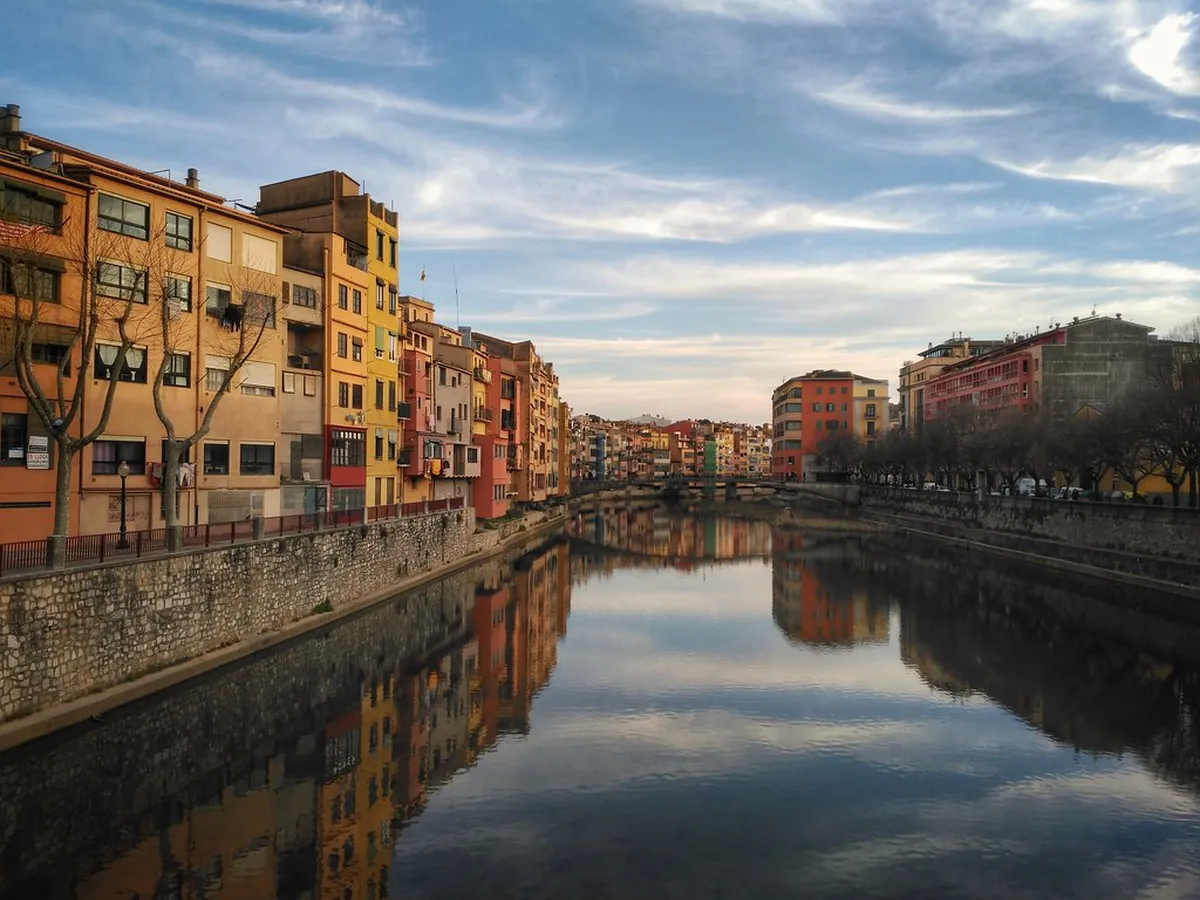
Table of Contents
Girona's Rivers: Shaping Its Unique Historic Layout
Girona, a captivating city in Catalonia, Spain, offers a rich history. Its unique urban layout owes much to its winding rivers. The Onyar River dramatically divides the city. This natural feature influenced its growth and defense for centuries.
Understanding how Girona's rivers shaped its layout reveals its true character. The city's geography is deeply tied to these waterways. Explore Girona's architectural wonders and discover this influence in 2025. You can learn more in our Girona architecture guide.
Other rivers, like the Ter, Güell, and Galligants, also play a role. They converge near the city, defining its edges. This article explores the profound impact of these rivers. It details their role in defense, urban planning, and daily life. Learn about Girona's fascinating architectural history.
The Onyar River: Girona's Central Lifeline
The Onyar River is Girona's most famous waterway. It flows directly through the city center. This river naturally splits Girona into two distinct parts. On one side sits the ancient Old Town, or Barri Vell.
Across the river lies the Mercadal quarter. This area developed later, growing into a commercial hub. The river itself became a defining feature of the urban landscape. It dictated early settlement patterns and urban expansion. This demonstrates the profound influence of river on architecture.
Three other rivers also contribute to Girona's unique setting. The Ter, Güell, and Galligants rivers flow nearby. They converge with the Onyar just north of the city. These confluences created natural boundaries and fertile lands for settlement.
The confluence points were strategically important. They provided both water resources and natural defense. Early inhabitants chose these locations carefully. This ensured the city's long-term survival and prosperity. The rivers shaped much more than just the physical space.
Medieval Defenses and River Barriers
Rivers offered Girona natural protection during medieval times. The steep banks of the Onyar served as a formidable barrier. This made frontal attacks on the Old Town very difficult. Girona's famous city walls extended along these river defenses.
The medieval walls provided an extra layer of security. They incorporated the river's natural defenses into their design. Walking the medieval walls walking tour shows this integration. This strategic planning helped protect Girona from invaders for centuries.
The city's earliest settlements were often built on higher ground. This protected them from floods and gave a clear defensive advantage. The Old Town, including the Gothic Quarter architecture, sits elevated. The rivers dictated these early protective developments.
Even remnants of Roman ruins in Girona show strategic placement. They understood the rivers' defensive value. The river continued its role as a key protective element for centuries. This natural barrier shaped the city's defensive posture permanently.
Bridging the Divide: Connecting Girona's Halves
As Girona grew, bridging the Onyar became essential. These bridges connected the Old Town with the newer Mercadal quarter. Each bridge tells a story of the city's development. They represent crucial engineering feats for their time.
One of Girona's most iconic bridges is the Pont de les Peixateries Velles. It is commonly known as the Eiffel Bridge. Gustave Eiffel designed it before his famous Paris tower. This red bridge offers stunning views of the colorful river houses. Learn about the engineering of bridges over the Onyar.
Girona boasts several beautiful bridges across the Onyar. The Pont de Pedra, or Stone Bridge, is another prominent crossing. It provides a sturdy, historic connection. Each bridge has its unique architectural style. Exploring them is a highlight of any visit. The Eiffel Bridge Girona is a must-see for all visitors.
These crossings facilitate movement and commerce. They truly stitched the city together. The bridges are vital arteries for daily life and tourism. They highlight the river's central, yet unifying, role. Discover more about Girona's bridges architecture guide.
The Iconic Casas de l'Onyar and Riverfront Life
🌟 Local Expert Tip: Get the most out of your Girona visit with guided tours!
Perhaps the most charming aspect of Girona is its riverfront houses. These vibrant, pastel-colored buildings line the Onyar. The Casas de l'Onyar create Girona's famous postcard view. They are built right up to the river's edge.
These houses feature balconies overlooking the water. Their unique construction adapted to the riverbank. They often have basements directly facing the Onyar. This allowed for various river-related activities. Explore the unique charm of the Casas de l'Onyar.
The colorful Girona facade details add to their charm. Each house displays individual character. Their painted facades reflect in the water, creating a beautiful scene. This riverfront aesthetic is integral to Girona's identity.
Life along the river shaped the city's social fabric. Markets thrived near the bridges. The river provided water for daily needs. Even today, the riverfront is a popular gathering place. This area continues to be a vibrant center for locals and visitors.
Modern Expansion and River Management
Girona's growth continued beyond its original river boundaries. Modern urban planning had to integrate these waterways. The city expanded, but the rivers remained central. Effective river management became crucial for continued development in 2025.
Flood control measures were implemented over time. The city learned to live with the power of its rivers. These projects ensured safety and enabled further construction. Modern engineering protects both people and property today. This showcases the city's adaptability.
New architectural styles emerged in these expanding areas. Yet, the river's influence persists in design. Parks and public spaces now line the riverbanks. They offer green areas for residents. Discover how contemporary architecture Girona has adapted.
The city actively preserves its river heritage. Public access to riverfronts is prioritized. These areas are vital for recreation and community events. Girona's rivers continue to inspire its urban and Girona public space design. The waterways remain integral to the city's future.
Frequently Asked Questions
⭐ Recommendation: Don't miss out on amazing Girona tours - book now!
Which rivers flow through Girona, Spain?
Girona is uniquely situated at the confluence of four rivers. The main river is the Onyar. The other three important rivers are the Ter, the Güell, and the Galligants. These waterways significantly contribute to the city's distinct geography. They have all played a role in navigating Girona's Old Town.
How did the Onyar River influence Girona's Old Town?
The Onyar River profoundly influenced Girona's Old Town, known as Barri Vell. It served as a natural defensive barrier during medieval times. The river also separated the Old Town from newer commercial areas. Its banks became home to the iconic colorful houses. This established the unique riverfront aesthetic of the city.
Are there walking tours focusing on Girona's rivers and bridges?
Yes, many tours highlight Girona's scenic rivers and historic bridges. Guided walks often explore the Onyar's banks and famous crossings. You can learn about the bridges' architecture and history. Consider booking Girona architecture tours for a deeper dive. These tours offer excellent perspectives on how the rivers shaped the city.
Girona's rivers are more than just waterways; they are the city's heart. They dictated its layout, shaped its defenses, and inspired its iconic architecture. The Onyar, Ter, Güell, and Galligants define Girona's charm. Their influence is visible everywhere you look.
Experience this unique urban landscape firsthand in 2025. Walk across the historic bridges and admire the colorful Casas de l'Onyar. Discover how Girona's rivers shaped its layout over centuries. Plan your visit to explore this captivating city today. Our Girona architecture guide offers more details.
Understanding this riverine impact enriches your visit. It provides a deeper connection to Girona's past and present. The city's architectural history is truly a testament to nature's power. Girona stands as a beautiful example of harmony between nature and urban design.
Key Takeaways
💡 Pro Tip: Book your Girona adventures in advance through Viator for the best deals!
- Girona's unique layout is directly shaped by the Onyar, Ter, Güell, and Galligants rivers.
- The Onyar River served as a crucial natural defense and divided the city into distinct quarters.
- Iconic bridges like the Eiffel Bridge connect Girona's halves, facilitating urban development.
- The Casas de l'Onyar, colorful riverfront houses, are a direct result of the river's presence.
- Modern Girona continues to integrate its rivers through urban planning and public spaces.