
Girona's Arab Baths Architectural Style Explained
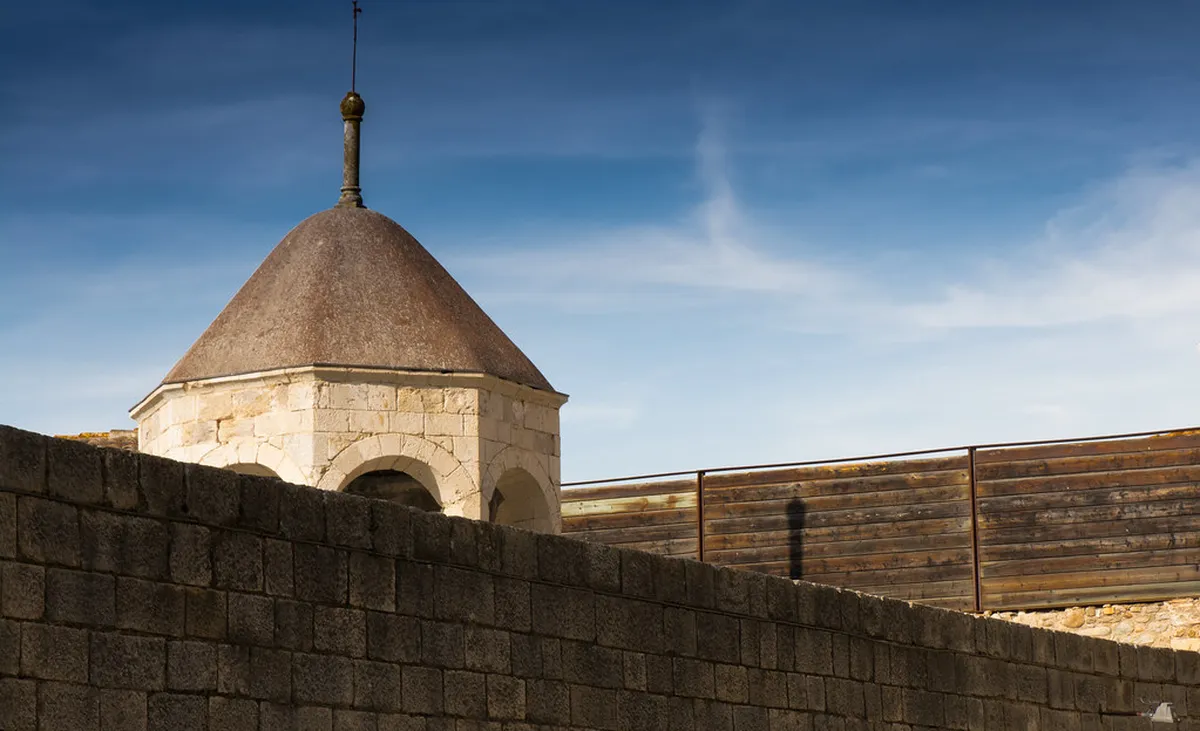
Table of Contents
Uncovering the Arab Baths Girona Architectural Style
Girona's Arab Baths stand as a captivating historical site. They reveal a unique blend of architectural influences. Understanding the architectural style of the Arab Baths enriches your visit. This guide delves into its distinctive design for 2025.
These baths showcase a remarkable fusion of styles. You can explore more about Girona's diverse architecture here. For a detailed overview of this site, check our comprehensive Arab Baths Girona guide.
A Unique Romanesque-Islamic Architectural Blend
The Arab Baths in Girona present a unique architectural narrative. Despite their name, these baths were built in the 12th century. This was long after Islamic rule had ended in the region. They were commissioned by a local monastery.
Their design draws heavily from Roman bath traditions. However, they incorporate distinct Islamic architectural elements. This combination creates a truly singular structure. It reflects the rich Girona architectural history.
The overall construction is Romanesque in its core structure. This can be seen in its sturdy walls and vaulting. Yet, subtle details echo the Moorish influence. It's a fascinating example of cultural exchange.
Visitors can appreciate this blend firsthand. The design thoughtfully considers both function and aesthetics. It provides a glimpse into medieval Girona's past. This makes it a must-see architectural gem.
Key Architectural Features to Observe
When visiting the Arab Baths, several features stand out. Pay attention to the barrel vaults in various rooms. These provide structural integrity and a sense of enclosure. The stone construction speaks to Romanesque durability.
The intricate columns and capitals are particularly striking. They often feature delicate carvings and patterns. These details add a touch of elegance to the robust structure. Some designs hint at Islamic artistry.
One defining characteristic is the star-shaped skylights. These pierce the domed ceilings, especially in the caldarium. They filter light beautifully, creating a serene ambiance. This design mimics traditional Hammam lighting.
The baths follow a typical Roman layout. This includes a frigidarium (cold room), tepidarium (warm room), and caldarium (hot room). Each room served a specific part of the bathing ritual. You can trace this journey through the baths.
Observe the water channels and heating systems. These are crucial to the baths' original function. While not fully preserved, their remnants tell a story. They reveal medieval engineering prowess.
The Iconic Frigidarium and Its Design
The Frigidarium, or cold room, is arguably the most famous part. It features a stunning central pool. This room provides the most striking visual representation of the baths' style. It is often the highlight for visitors.
A grand octagonal cupola crowns this space. This dome is supported by eight slender columns. The columns have finely carved capitals. They draw the eye upwards beautifully.
The cupola itself includes an oculus, a central opening. This opening allows natural light to flood the room. The light reflects off the water, enhancing the peaceful atmosphere. It is a perfect spot for Girona architecture photography.
This design creates a sense of open space and light. It contrasts with the more enclosed hot rooms. The Frigidarium is a testament to the sophisticated design. It truly embodies the Gothic Quarter's historical beauty.
Experiencing the Architectural Style in 2025
💡 Pro Tip: Book your Girona adventures in advance through Viator for the best deals!
Visiting the Arab Baths in 2025 offers an immersive experience. The baths are located at Carrer de Ferran el Catòlic. Admission costs a few euros, typically around 3.50€ per person. Check official sites for current pricing.
Opening hours vary by season, generally 10:00 AM to 6:00 PM. It is always wise to confirm Arab Baths Girona opening hours and tickets online. Visiting earlier in the morning helps avoid larger crowds.
Allow at least 30-45 minutes to explore the entire complex. Take your time to appreciate the details mentioned earlier. You can even join Girona architecture tours for deeper insights. These often include the baths.
The baths are an integral part of Girona's Old Town. They are easily accessible within the city center. Combine your visit with a stroll through the nearby Jewish Quarter. This offers a full historical perspective.
Frequently Asked Questions
🌟 Local Expert Tip: Get the most out of your Girona visit with guided tours!
Are the Arab Baths in Girona truly Arab in origin?
Despite their name, the Arab Baths are not truly Arab. They were built in the 12th century by Christians. This was approximately 400 years after Girona's Islamic period ended. The name refers to their design inspiration.
The style imitates Roman and Islamic bathhouses. It's a common historical misnomer. Learn more about their history in our Arab Baths Girona guide.
What is the best time to visit Girona's Arab Baths in 2025?
The best time to visit is during the shoulder seasons. Spring (April-May) and Fall (September-October) offer pleasant weather. Fewer crowds are typical during these months. Weekday mornings are generally quieter.
Which specific architectural elements should I prioritize when visiting?
Focus on the Frigidarium's octagonal cupola and columns. Also, note the star-shaped skylights in the hot rooms. Observe the overall Romanesque construction. The combination of styles is fascinating to see.
You can also spot remnants of the heating system. These architectural elements tell a compelling story. They reflect Girona's diverse architectural heritage.
The architectural style of the Arab Baths in Girona is truly unique. It blends robust Romanesque features with delicate Islamic influences. This creates a visually stunning and historically rich site. Visiting offers a deep dive into medieval design.
Don't miss this exceptional piece of Girona's heritage. Plan your visit to discover its beauty firsthand. For more details, explore our full Arab Baths Girona guide.
Key Takeaways
🎯 Insider Tip: Discover the best Girona experiences with Viator Tours!
- The Arab Baths fuse Romanesque structure with Islamic design.
- The Frigidarium's domed ceiling and columns are iconic features.
- Plan your 2025 visit during shoulder seasons for fewer crowds.
- Look for star-shaped skylights and traditional bath layout.
- The baths offer a unique glimpse into medieval Girona's history.