
Corralejo Windmill Architecture: A Historic Guide
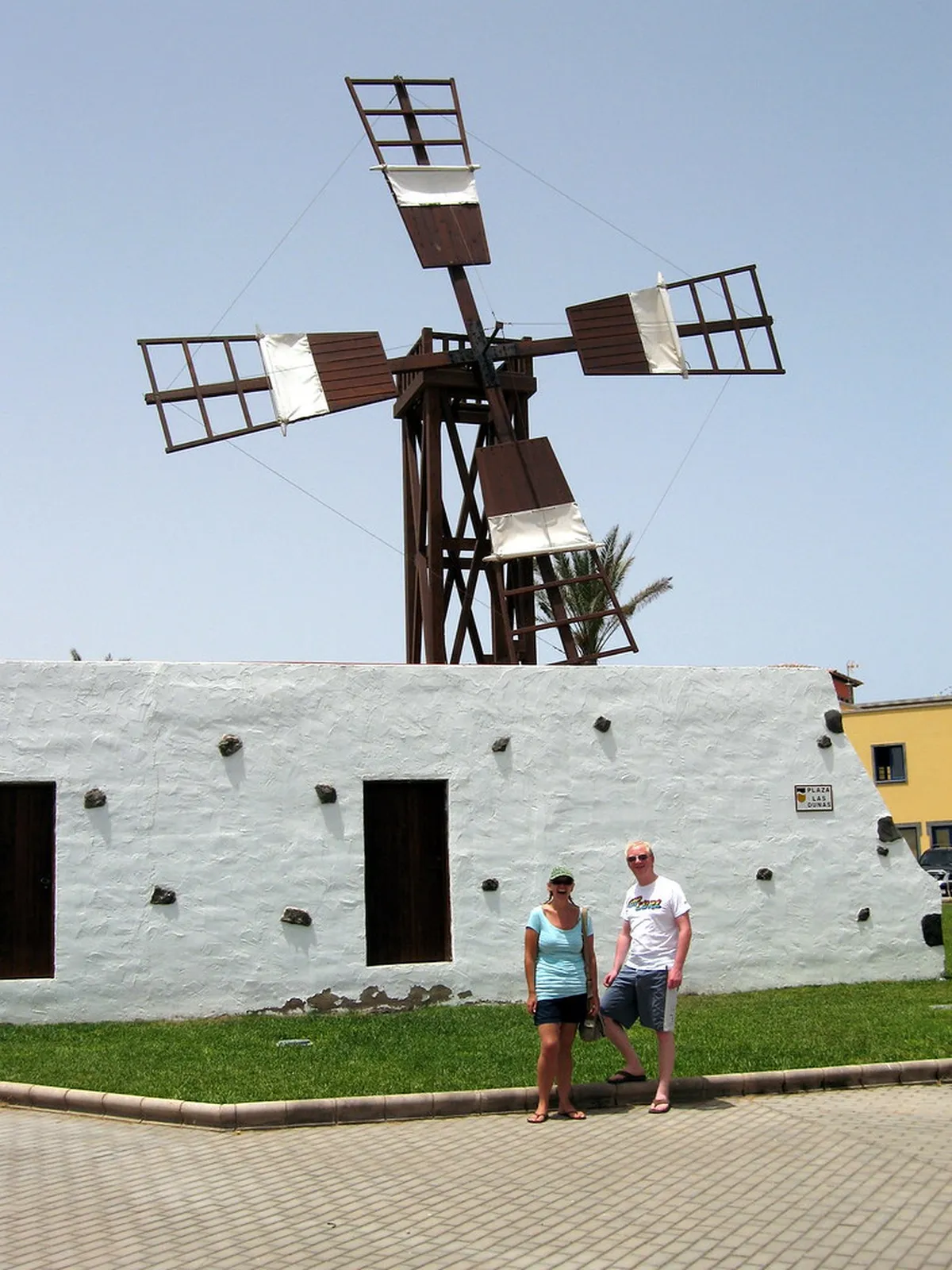
Table of Contents
Uncovering Corralejo Windmill Architecture in Fuerteventura
Corralejo offers more than just beautiful beaches. Its unique architecture tells a rich story. Among these structures, the windmills stand out. They represent Fuerteventura's fascinating past. Understanding Corralejo windmill architecture reveals the island's heritage. This guide explores their history and design in 2025.
These historic structures once powered island life. They ground grains for local communities. Today, they serve as iconic landmarks. Learn about their distinctive features and where to find them. Discover why these windmills are crucial to Corralejo's identity. Embark on an architectural journey with us.
The Rich History of Fuerteventura's Windmills
Fuerteventura’s landscape is dotted with ancient windmills. These structures were vital for survival. They harnessed the strong island winds. Islanders used them to mill gofio, a staple food. This traditional flour sustained communities for centuries.
The first windmills appeared around the 18th century. Their numbers grew significantly by the 19th century. Each village often had several operating windmills. They were centers of local commerce and social life. Many of these historic structures still stand today, offering a glimpse into the past of historic Corralejo architecture.
By the mid-20th century, their use declined. Modern machinery replaced traditional milling methods. Many fell into disrepair over time. However, local efforts now focus on preservation. This ensures their legacy continues for future generations. They remain powerful symbols of Canarian resilience.
Understanding this history enriches your visit. It helps appreciate their enduring significance. These windmills are more than just old buildings. They are monuments to Fuerteventura's agricultural heritage. They stand proudly against the island's dramatic backdrop.
Distinctive Corralejo Windmill Architectural Styles
Corralejo windmill architecture features unique designs. Fuerteventura windmills usually fall into two main types. The first is the 'male' molino, a fixed-tower structure. Its cap and sails rotate to catch the wind. This design is often seen in central Fuerteventura.
The second type is the 'female' molina. This entire structure pivots around a central axis. It allows for full rotation into the wind. Both styles reflect ingenious engineering. They were built to withstand constant strong breezes.
Local materials were key in their construction. Volcanic stone formed the sturdy bases. Wood was used for the intricate gears and sails. These local building materials ensured durability. The design blended functionality with local aesthetics. You can still see these details on preserved structures.
The conical or cylindrical shapes are iconic. They allowed for efficient wind capture. Each component served a specific purpose. From the windward facing sails to the internal grinding stones. These designs optimized the milling process. They highlight the ingenuity of past builders. Exploring these details is fascinating for any architecture enthusiast.
Where to Find Windmills Near Corralejo in 2025
While Corralejo itself has few standing windmills, several are nearby. A short drive will take you to well-preserved examples. The region around La Oliva is particularly rich. Many windmills are visible from the main roads. They offer fantastic photography opportunities.
The Molino de Tefía is a notable example. It is located southwest of Corralejo. This restored windmill provides a full experience. You can often see its internal mechanisms. Check opening times, usually 10 AM to 5 PM. Entry fees are typically a few Euros, roughly €3-€5 per person in 2025.
Another excellent site is the Centro de Interpretación de los Molinos. This windmill museum is near Antigua. It provides detailed information on windmill history. You can learn about their function and restoration. This is a perfect stop for deeper insights. Planning a self-guided tour is highly recommended.
Many smaller, unrestored windmills are scattered across the island. Look for them on hillsides and in old farm areas. Remember to respect private property. These provide charming, rustic views. They connect you to Fuerteventura's rural past.
Preserving Corralejo's Windmill Heritage for Tomorrow
⭐ Recommendation: Don't miss out on amazing Madrid tours - book now!
The preservation of these windmills is crucial. Many initiatives aim to restore and maintain them. Local authorities and heritage groups collaborate. Their efforts ensure these symbols endure. Funding often comes from regional grants. Volunteer programs also play a vital role.
Restoration projects focus on authenticity. They use traditional methods and materials. This respects the original Corralejo windmill architecture. The goal is to bring them back to their former glory. Some even become functional again for demonstrations. This offers an interactive historical experience.
These projects also boost local tourism. They draw visitors interested in culture. Preserved windmills become educational centers. They teach about sustainable living and history. This makes them important cultural assets. Support these efforts by visiting and learning.
Future plans include digital archives. These will document each windmill's story. Education programs for schools are also expanding. By 2025, more windmills will likely be accessible. This ensures their story is passed on. Protecting them safeguards a unique part of Spain's past. Learn more about Corralejo building restoration efforts.
Frequently Asked Questions
What is the primary function of Corralejo windmill architecture historically?
Historically, Corralejo windmills were vital for grinding grains. They processed wheat, barley, and especially corn. This produced 'gofio', a traditional Canarian flour. Gofio formed a staple of the local diet. These windmills fueled island communities for centuries.
Are there any functional windmills left near Corralejo in 2025?
While many are historic landmarks, some are still functional. The Molino de Tefía is a notable example. It occasionally operates for demonstrations. It helps visitors understand the milling process. Checking specific schedules for 2025 is recommended. You can also explore the history and design of Fuerteventura's windmills further.
How can I visit the windmills near Corralejo and what are the costs?
You can visit windmills by car or organized tour. Many are located a short drive from Corralejo. The Molino de Tefía and the Antigua museum have small entry fees. These typically range from €3-€5 per person in 2025. Always confirm current prices and opening hours. Check our guide on how to visit the windmills near Corralejo for detailed directions.
What materials were commonly used in Corralejo windmill construction?
Builders predominantly used local materials for construction. Volcanic stone formed the robust towers and bases. Canarian pine and other hardwoods were utilized for sails and internal mechanisms. These materials ensured durability and adapted to the island's environment. The resourcefulness is a key aspect of Canarian architectural style.
Corralejo windmill architecture offers a unique glimpse into Fuerteventura's past. These iconic structures embody local ingenuity. They stand as proud symbols of agricultural heritage. Exploring them connects you to the island's soul. We encourage you to discover their enduring beauty.
Plan your visit to these historic sites soon. Experience the rich history and distinct design. Your journey into Fuerteventura's windmills will be unforgettable. For more insights, visit our comprehensive Corralejo architecture guide. Support the ongoing efforts to preserve these valuable landmarks.
Key Takeaways
- Corralejo windmills highlight Fuerteventura's agricultural past.
- Learn about 'molino' and 'molina' distinct architectural styles.
- Visit restored windmills like Molino de Tefía for a cultural experience.
- Support preservation efforts to keep these historic structures alive.
- Plan your 2025 visit for an insightful architectural journey.