
Exploring the Judería Vieja in Cáceres: A Guide
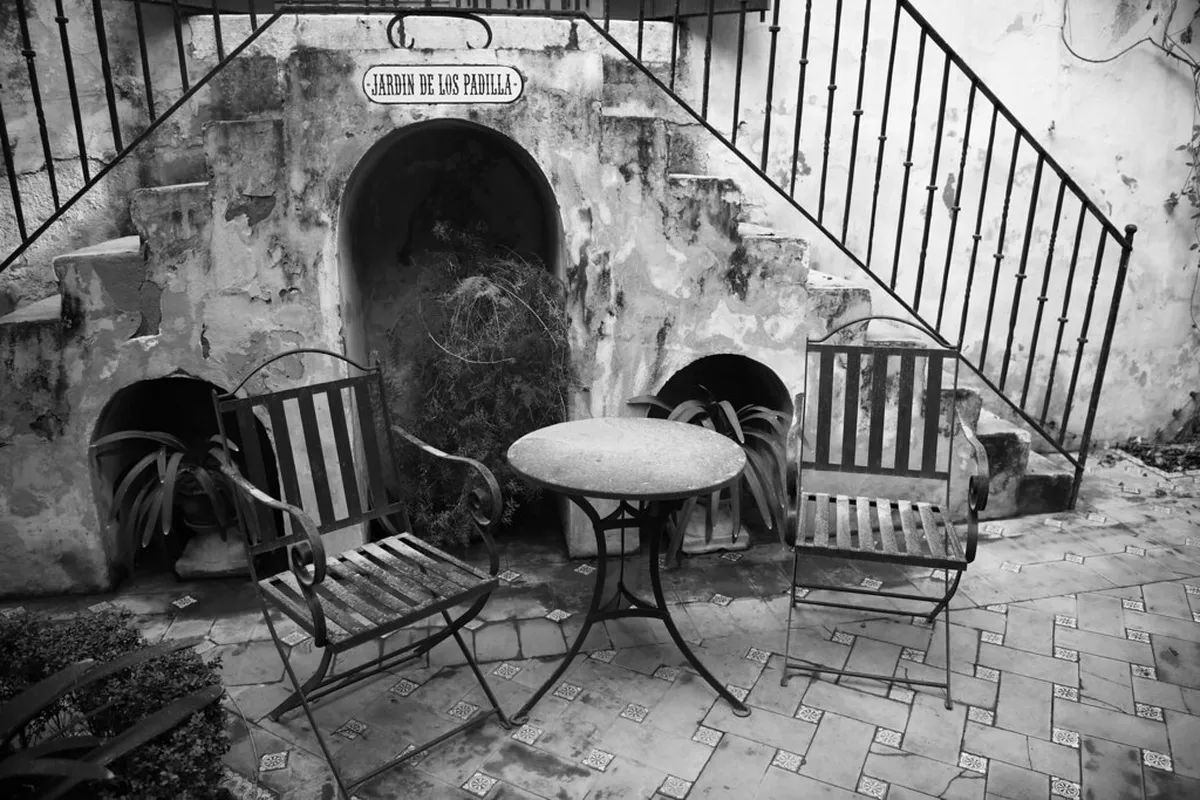
Table of Contents
Discovering Cáceres' Ancient Jewish Quarter: Judería Vieja
Cáceres, a UNESCO World Heritage site, hides many treasures. One such gem is the Judería Vieja, its ancient Jewish Quarter. This guide helps with exploring the Judería Vieja in Cáceres. It reveals the secrets of its narrow streets and hidden corners. Prepare for a captivating journey through time in 2025.
This historic neighborhood offers a unique glimpse into the past. Its distinctive architecture tells a compelling story. Learn more about the overall Cáceres architecture guide. You will discover layers of history at every turn.
The Rich History of Judería Vieja in Cáceres
The Judería Vieja, or Old Jewish Quarter, boasts a deep history. Jewish communities thrived here for centuries. Their presence shaped the city's cultural fabric. This quarter was a vibrant hub of life and commerce.
Records show Jewish residents lived in Cáceres since the Roman era. Their numbers grew significantly during medieval times. They contributed greatly to local society. The area was a center for artisans and scholars.
The Edict of Expulsion in 1492 changed everything. Most Jewish families were forced to leave Spain. Their homes and properties were converted. Despite this, their legacy endures within the quarter’s walls. Explore more about Cáceres' city walls and history.
Today, visitors can trace these historical footprints. The Judería Vieja offers a powerful connection to the past. It serves as a testament to a resilient community. Understanding its history enriches your visit.
Unique Architecture of Cáceres' Jewish Quarter
The architecture of the Judería Vieja is distinct. It reflects the community's unique identity. Narrow, winding streets characterize the area. These were designed for defense and community cohesion. Buildings often feature thick stone walls.
Houses are typically modest in scale. They show a blend of traditional styles. You might notice elements of Moorish influence in Cáceres architecture. This is common in many Spanish cities. Courtyards provided privacy and light. Look for these hidden spaces as you explore.
Identifying features of the Jewish Quarter are subtle. Original doorframes or small niches (mezuzahs) remain. These small details tell a significant story. Our guide on identifying features of the Jewish Quarter offers more. Pay close attention to these historical markers.
Many buildings underwent later transformations. Christian residents often adapted them. Yet, the foundational structure holds its ancient charm. This architectural blend creates a captivating atmosphere. It invites deeper exploration of its secrets.
Key Landmarks and Hidden Gems to Explore
Exploring the Judería Vieja in Cáceres reveals many sights. Begin at the main entrance near the Arco de la Estrella. Wander into the labyrinthine alleys. The quarter's heart is Calle de la Cuesta.
The former synagogue, now a private residence, sits on this street. Its original purpose is evident in its structure. While not open to the public, its presence is profound. You can still appreciate its historical significance.
Discover the charming hidden courtyards in Cáceres. Many homes in Judería Vieja have these. They offer tranquil escapes from the bustling streets. These provide a glimpse into private life.
Look out for the Casa del Horno. This house housed the Jewish bakery. Its historical function adds to the local flavor. Nearby, the Torre de Bujaco offers panoramic views. You can combine your visit with other Cáceres architectural marvels like Bujaco Tower. Take your time to discover each unique spot.
Planning Your Visit to Judería Vieja in 2025
⭐ Recommendation: Don't miss out on amazing Caceres tours - book now!
Visiting the Judería Vieja in 2025 offers a unique experience. The quarter is best explored on foot. Allow at least two to three hours for a thorough walk. Wear comfortable shoes for the cobblestone streets.
Guided tours can enhance your understanding. They provide deeper historical insights. Prices for guided tours typically range from €15-€25. Book in advance, especially during peak season. Consider a dedicated Cáceres architecture walking tour.
The best time to visit is spring or fall. Temperatures are mild and crowds are fewer. Summer months can be very hot in Cáceres. Always check opening hours for specific attractions. Most public areas are accessible all day.
There are no direct entry fees for the quarter itself. Some private houses or museums may charge a small fee. Many nearby restaurants offer traditional Extremaduran cuisine. Enjoy local flavors after your historical exploration. Plan your visit with our guide to the best time for an architecture tour.
Tips for an Authentic Judería Vieja Experience
To fully immerse yourself, slow down. Wander without a strict itinerary. This allows for unexpected discoveries. The Judería Vieja thrives on its intimate atmosphere. Pay attention to small details.
Engage with local shopkeepers if you can. They often share fascinating stories. Their personal insights add depth to your visit. You might find unique crafts or local delicacies. Supporting local businesses helps preserve the area.
Consider visiting early mornings or late afternoons. The light is beautiful for photography. It also avoids larger tour groups. The quiet streets enhance the ancient ambiance. Our best architecture photo spots guide can help.
Respect the residential nature of the quarter. Many people live here. Keep noise levels down and be mindful of privacy. This ensures a pleasant experience for everyone. Embrace the tranquility of this historic space. Explore more visiting Cáceres architectural sites for a complete trip.
Frequently Asked Questions
What historical events shaped the Judería Vieja in Cáceres?
The Judería Vieja's history dates back to Roman times. It grew significantly during medieval periods. The pivotal moment was the 1492 Edict of Expulsion. This decree forced Jewish residents to leave Spain. Their departure led to the conversion of many buildings. These events profoundly shaped the quarter's character.
Can visitors enter the former synagogue in Cáceres' Jewish Quarter?
The building believed to be the former synagogue is now a private residence. It is not open for public entry. While you cannot go inside, its historical significance is clear. You can still appreciate its exterior. This offers a glimpse into its past. Explore more about Jewish Quarter architecture.
Are there any specific tours for exploring the Judería Vieja in Cáceres?
Yes, several local tour operators offer guided tours. These focus specifically on the Judería Vieja. They provide historical context and architectural insights. Look for walking tours from the Plaza Mayor. Booking in advance is often recommended, especially in high season. Check for tours that highlight Cáceres Old Town architecture.
Exploring the Judería Vieja in Cáceres offers a truly unforgettable journey. Its ancient stones whisper tales of centuries past. You will discover a rich tapestry of history and architecture. This special quarter provides a deep cultural experience in 2025.
Plan your visit to step back in time. Discover the subtle beauty of this preserved heritage. Immerse yourself in the stories held within its walls. Don't miss this essential part of Architect Tourist's guide to Spain.
Key Takeaways
- Dedicate 2-3 hours for a self-guided walk through the Judería Vieja.
- Pay close attention to subtle architectural details like mezuzah niches.
- Consider a guided tour for deeper historical context and local insights.