
Comparing Convents and Churches in Cáceres 2025
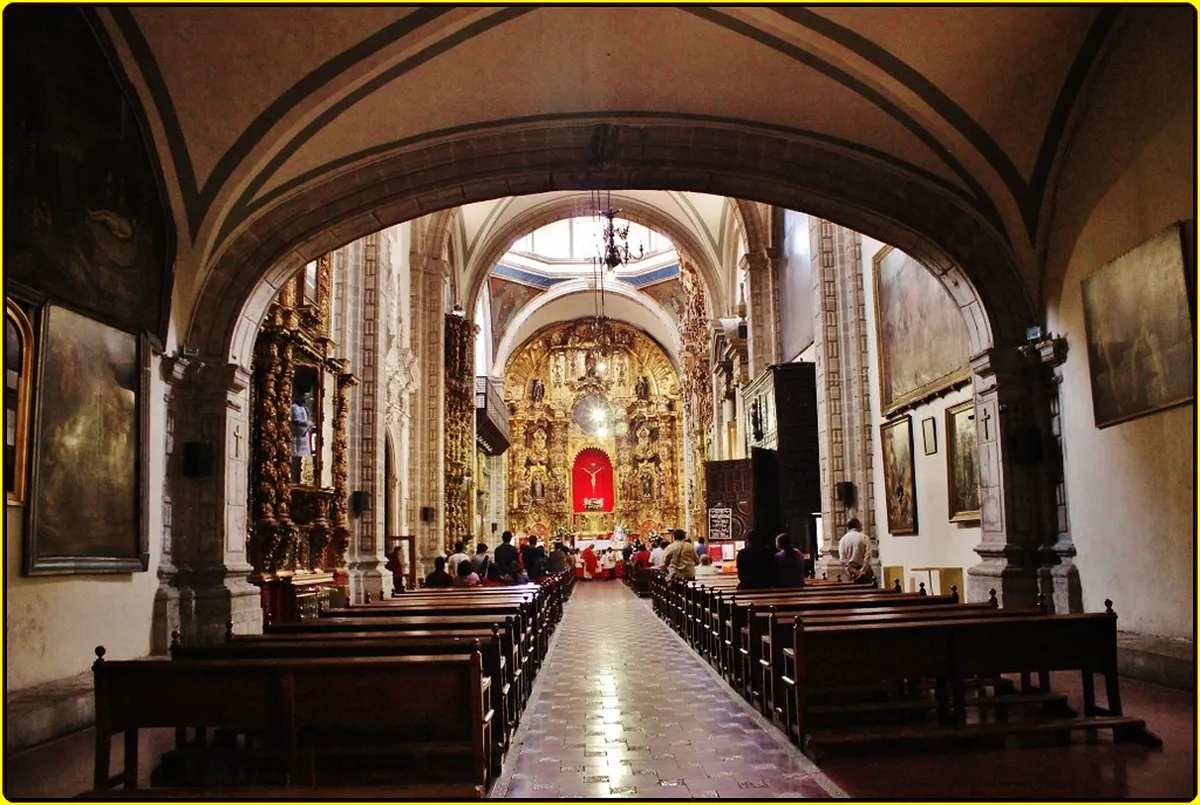
Table of Contents
Cáceres' Sacred Spaces: Convents vs. Churches
Cáceres, a UNESCO World Heritage city, boasts incredible religious architecture. Visitors often find themselves comparing convents and churches in Cáceres. Both offer unique glimpses into history and faith. Understanding their distinct roles enhances your exploration.
This guide helps you differentiate these important buildings. You will discover their varied architectural styles and purposes. Prepare for an enriching journey through Cáceres' sacred past and present. Learn more about Cáceres religious architecture for your 2025 trip.
Architectural Differences in Cáceres' Religious Sites
Churches in Cáceres often feature grand, imposing facades. They served as public places of worship for centuries. You will notice prominent bell towers and ornate entrances. Examples include the Co-Cathedral of Santa María and San Mateo Church.
Many churches exhibit strong Gothic and Renaissance influences. The Santa María Cathedral shows a robust Gothic style. Its interior features impressive altarpieces. Meanwhile, convents possess a more austere external appearance. Their architecture emphasizes enclosed living and contemplation.
Convents typically center around peaceful cloisters. These hidden courtyards provided solitude for monastic life. Their facades might be simpler, yet they hold intricate details inside. Discover more about Gothic buildings in Cáceres during your visit.
Purpose and Public Access: Churches and Convents
Churches were designed for communal worship and public sermons. They remain open to visitors and parishioners daily. You can attend mass or simply admire their artistic treasures. Many churches charge a small entry fee for maintenance in 2025.
Convents, however, were private residences for religious orders. Nuns and monks lived secluded lives within their walls. Public access is often limited to certain areas. These might include chapels or gift shops selling handmade goods.
Some convents now offer unique insights into monastic life. For example, the Convent of San Pablo sells delicious traditional sweets. Visiting these places offers a different cultural experience. Plan your tour of historic churches in Cáceres to fully appreciate both.
Exploring Notable Convents and Churches in Cáceres
The Co-Cathedral of Santa María stands as a prime example of a Cáceres church. It showcases various architectural periods. Don't miss the stunning main altarpiece inside. Entry costs around 2.50 EUR for adults this year.
Another must-see church is San Mateo, built on a former mosque site. It boasts strong Gothic and Renaissance elements. The views from its bell tower are truly breathtaking. Check opening times, typically 10:00 AM to 1:30 PM and 5:00 PM to 8:00 PM.
For a taste of convent life, visit the Convent of San Pablo. While not fully open, its chapel is accessible. Purchase traditional pastries made by the cloistered nuns. This supports their community and offers a sweet local treat. Explore more Cáceres Old Town architecture on your trip.
Frequently Asked Questions
💡 Pro Tip: Book your Caceres adventures in advance through Viator for the best deals!
What are the main differences between a convent and a church?
Churches are primarily public places for worship and community gatherings. Convents serve as private residences for religious orders like nuns or monks. Their design reflects these distinct purposes.
Churches are generally more accessible to the public. Convents offer limited public access, focusing on internal monastic life. This difference shapes the visitor experience. Learn more about visiting Cáceres architectural sites.
Can I enter convents in Cáceres, or are they private?
Most convents in Cáceres are still active and largely private. You can typically visit their public chapels for worship. Some convents operate small shops. Here you can buy handcrafted items or traditional sweets. These sales support the monastic community.
Are there specific times or fees for visiting churches in Cáceres?
Yes, churches usually have specific visiting hours. These often differ from their mass schedules. Most larger churches, like Santa María, have a small entry fee. This fee helps cover maintenance costs. Always check current schedules before your 2025 visit.
Cáceres offers a rich tapestry of religious sites. Comparing convents and churches in Cáceres reveals their unique stories. Each building contributes to the city's profound heritage. Both are essential parts of the Cáceres architecture guide.
Embrace the chance to explore these sacred spaces. Understand their historical and architectural significance. Plan your trip to discover the spiritual heart of Cáceres. Your architectural journey awaits in 2025.
Key Takeaways
- Churches are for public worship, convents for private monastic life.
- Architecturally, churches are grander, convents more secluded.
- Many convents sell artisan goods; churches often charge small entry fees.