
Zubizuri Bridge Design: Bilbao's Iconic Walkway
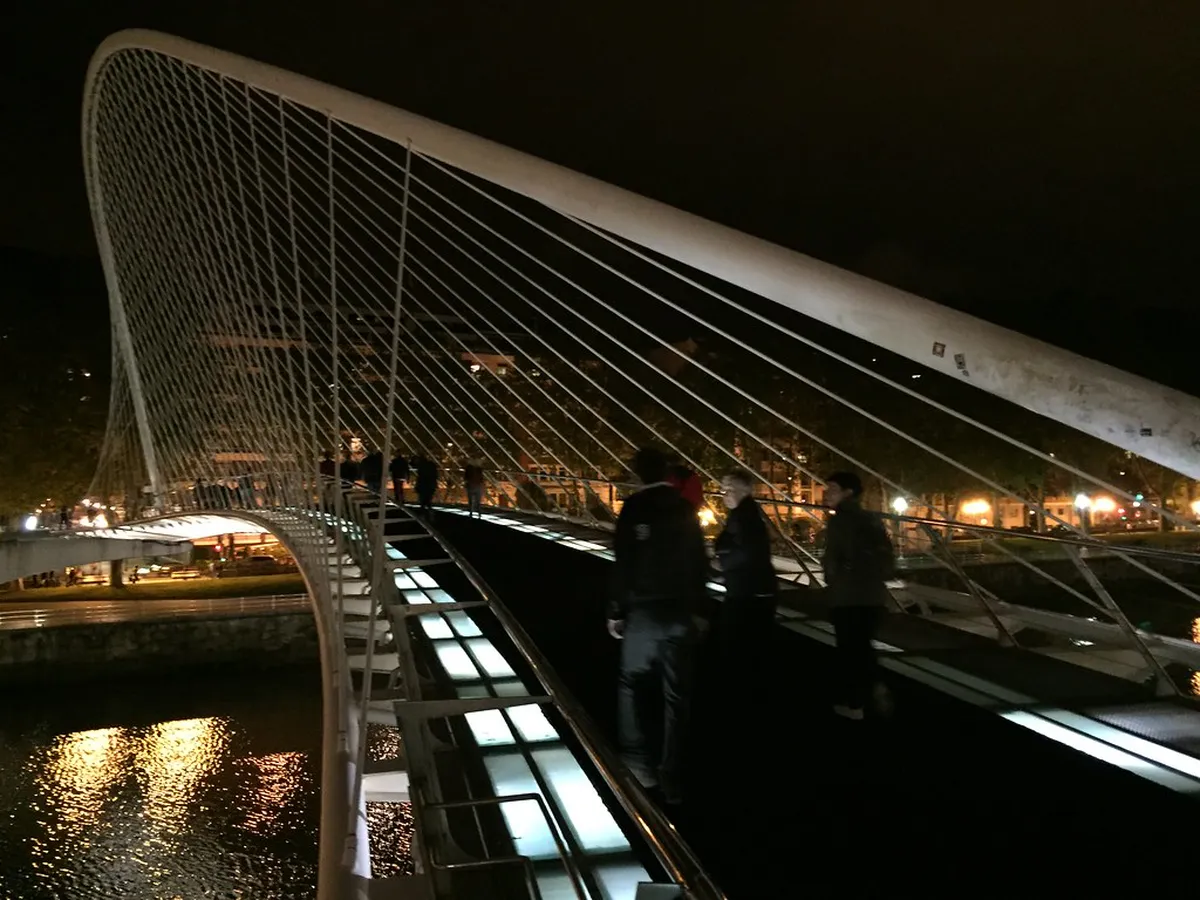
Table of Contents
Unpacking the Zubizuri Bridge Design in Bilbao
Bilbao, a city transformed by modern architecture, boasts many iconic structures. Among them, the Zubizuri Bridge design stands out. This elegant pedestrian bridge spans the Nervión River. Its distinctive appearance draws visitors from around the globe.
Designed by renowned architect Santiago Calatrava, Zubizuri is an engineering marvel. It connects the Campo Volantín right bank to the Uribitarte left bank. The bridge offers stunning views of Bilbao's evolving cityscape. Let's dive into the fascinating details of its architecture in 2025.
You will learn about its innovative construction and the debates it sparked. The Zubizuri Bridge represents modern Bilbao's spirit. It perfectly blends art, engineering, and urban renewal efforts. Get ready to explore this captivating piece of urban design.
Santiago Calatrava's Vision for Zubizuri Bridge
Santiago Calatrava, a Spanish architect and engineer, is famous worldwide. He is known for his signature organic and skeletal designs. Calatrava's work often features soaring white structures. The Zubizuri Bridge perfectly embodies his unique style.
His vision for Zubizuri was to create a gateway. It connects the city center with newer developments. The bridge aims to evoke a sense of movement. Its form suggests a sail or a bird's wing in flight. This artistic approach defines much of Calatrava's portfolio.
The name 'Zubizuri' means 'white bridge' in Basque. This name reflects its bright, pristine aesthetic. Calatrava's design emphasizes light and transparency. He wanted the bridge to be an uplifting public space. The resulting structure indeed feels ethereal and dynamic.
This bridge, completed in 1997, became a symbol of modern Bilbao. It helped solidify the city's architectural renaissance. Its construction preceded other major urban projects. The Abandoibarra master plan further transformed the area.
Key Architectural Elements of Zubizuri Bridge
The Zubizuri Bridge design is immediately recognizable. Its most striking feature is the curved, inclined arch. This arch supports the bridge deck via steel suspension cables. This cable-stayed design creates a graceful, airy impression.
The bridge deck itself also curves gently. This adds to its fluid, organic aesthetic. The choice of materials is central to its identity. Steel and glass dominate the structure. These modern elements reflect light beautifully.
A distinctive feature is the glass block walkway. This transparent surface allows light to pass through. It creates an interesting visual effect. However, this material choice has also led to practical challenges. This will be discussed later.
The elegant white steel structure contrasts sharply. It stands against the blue sky and river below. The bridge is part of Bilbao's contemporary architectural landscape. It offers a unique pedestrian experience. This innovative use of materials is a hallmark of the Zubizuri Bridge design.
Materials and Construction of Zubizuri Bridge
The primary materials used in the Zubizuri Bridge construction are steel and glass. The main arch and supporting cables are crafted from steel. This material provides immense strength and durability. It allows for the bridge's slender, elegant profile.
The pedestrian walkway is composed of translucent glass blocks. These blocks are set into a steel framework. This design choice creates a striking visual effect. It allows views of the river directly beneath your feet. However, it also presents challenges.
The glass surface becomes very slippery when wet. This has led to several accidents over time. Bilbao's rainy climate exacerbated this issue. Local authorities later added rubber mats to parts of the walkway. This improved safety for pedestrians.
Despite the functional concerns, the engineering remains impressive. The bridge spans 75 meters (246 feet) across the Nervión River. Its construction was a complex undertaking. It required precision and advanced techniques. The bridges of Bilbao showcase diverse engineering feats.
Controversies and Public Reception of Zubizuri Bridge
🎯 Insider Tip: Discover the best Bilbao experiences with Viator Tours!
The Zubizuri Bridge, while visually stunning, has faced significant controversy. The slippery glass walkway is a well-known issue. Many pedestrians complained about its safety, especially in wet weather. This led to corrective measures like rubber matting.
Another major point of contention involves modifications. Bilbao City Council added a new ramp connecting the bridge. This ramp linked to the adjacent Isozaki Atea towers. However, this alteration required cutting into the bridge's original structure. This action sparked a legal dispute.
Santiago Calatrava sued the city for copyright infringement. He argued that the alterations compromised his design integrity. The court initially sided with Calatrava. However, subsequent appeals led to varied rulings. This case highlighted architects' rights regarding their completed works.
The controversy is a fascinating aspect of the Zubizuri Bridge's story. Despite the disputes, the bridge remains popular. It is a key landmark in Bilbao's urban landscape. Many visitors seek it out as part of their Bilbao architecture walking tour.
Experiencing the Zubizuri Bridge in Bilbao
Visiting the Zubizuri Bridge offers a unique experience. It is easily accessible on foot. You can find it between the Guggenheim Museum and the Casco Viejo. The bridge serves as a vital pedestrian link.
Walking across the bridge provides excellent photo opportunities. You can capture views of the river and surrounding architecture. Early mornings or late afternoons offer the best light. This is ideal for photography. Consider reading about the best time to photograph Zubizuri Bridge.
There is no cost to walk across the Zubizuri Bridge. It is a public pathway, open 24/7. Allow about 15-30 minutes to cross slowly. Take time to appreciate its design and the views. It connects beautifully to the modern Abandoibarra area.
When visiting in 2025, wear appropriate footwear. This is especially important on rainy days. The city continues to maintain the bridge. Safety improvements remain a priority. It's a must-see for anyone interested in modern design.
Frequently Asked Questions
Who designed the Zubizuri Bridge in Bilbao?
The Zubizuri Bridge was designed by Santiago Calatrava. He is a world-renowned Spanish architect and engineer. Calatrava is famous for his innovative bridge designs. Many of his structures feature white steel and organic forms.
He also designed other notable structures. These include the City of Arts and Sciences in Valencia. His unique style is evident throughout the Zubizuri Bridge. Learn more about Santiago Calatrava in Bilbao and his works.
Why is the Zubizuri Bridge controversial?
The Zubizuri Bridge has faced controversy primarily for two reasons. First, its glass walkway becomes very slippery when wet. This led to numerous pedestrian accidents. Rubber mats were later installed to improve safety.
Second, the city's unauthorized modifications sparked a lawsuit. A new ramp was built, altering Calatrava's original design. This led to legal action over copyright infringement. The controversies surrounding Zubizuri Bridge are well-documented.
What materials are used in the Zubizuri Bridge design?
The Zubizuri Bridge primarily utilizes white painted steel and glass. The main arch and suspension cables are made of steel. This gives the bridge its distinctive light and airy appearance. The pedestrian deck features translucent glass blocks.
These materials were chosen for their modern aesthetic. They contribute to the bridge's transparent quality. The blend of steel and glass is characteristic of modern architecture in Bilbao. This combination creates a striking visual impact.
Where is the Zubizuri Bridge located in Bilbao?
The Zubizuri Bridge is located in Bilbao, Spain, spanning the Nervión River. It connects two important areas of the city. These are Campo Volantín on the right bank and Uribitarte on the left bank. It is easily accessible.
The bridge is a short walk from the Guggenheim Museum. It also sits near the Isozaki Atea towers. It serves as a popular pathway for both locals and tourists. You can integrate a visit into a self-guided architecture tour of Bilbao. Find it on any Bilbao architecture map.
The Zubizuri Bridge design remains a prominent feature of Bilbao. It is a testament to Santiago Calatrava's bold architectural vision. Despite its controversies, its beauty is undeniable. The bridge symbolizes Bilbao's successful urban renewal.
Its elegant form and materials offer a unique urban experience. When you visit Bilbao in 2025, make sure to walk across it. Experience this blend of art and engineering firsthand. Discover more about Bilbao's fascinating architecture and other Spanish cities.
Key Takeaways
⭐ Recommendation: Don't miss out on amazing Bilbao tours - book now!
- The Zubizuri Bridge, designed by Santiago Calatrava, is a modern icon in Bilbao.
- Its unique design features a curved steel arch and a glass pedestrian walkway.
- The bridge has faced controversies regarding its slippery surface and structural modifications.
- Visit for free and enjoy stunning views of the Nervión River and surrounding architecture.
- It connects key areas of Bilbao, making it an essential part of a city tour.