
Where to Find Roman Ruins in Barcelona: Your 2025 Guide
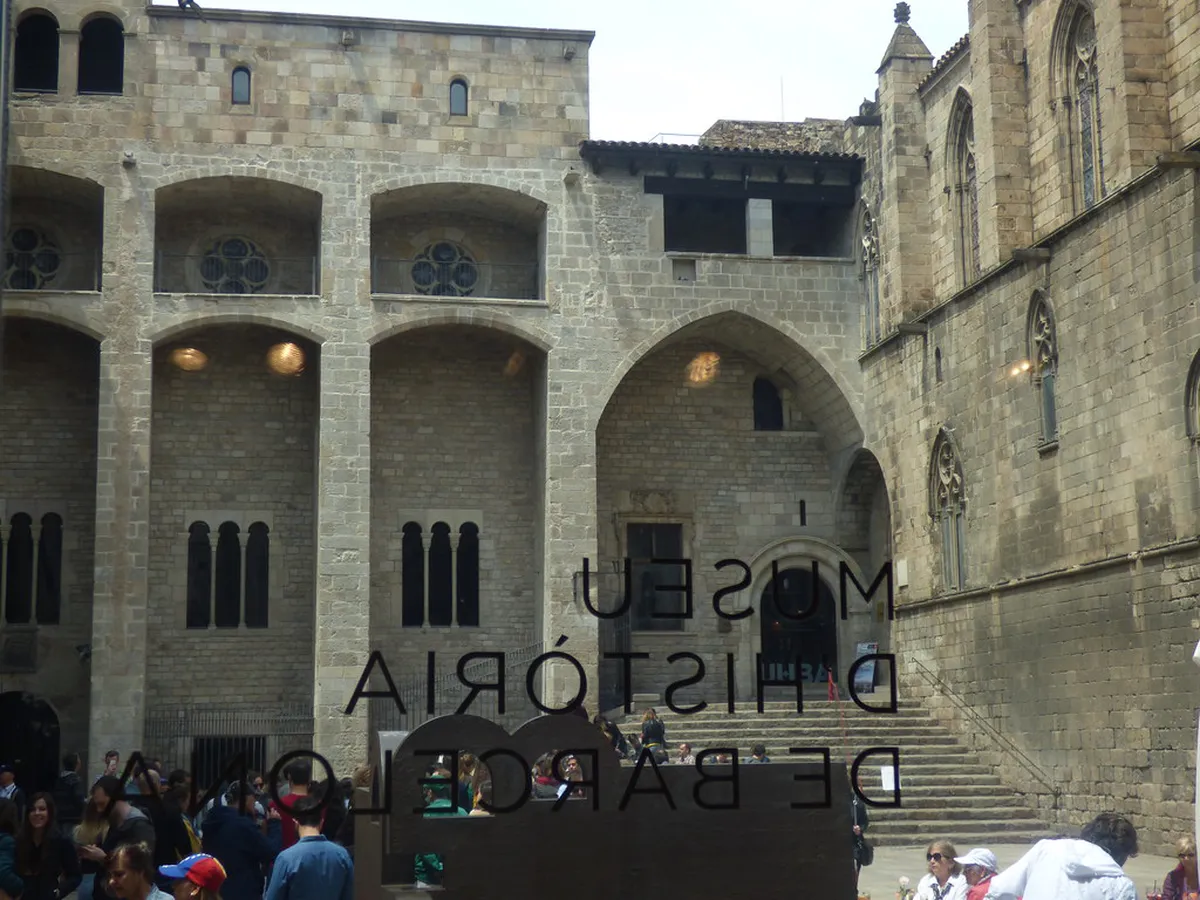
Table of Contents
Uncover Roman Ruins in Barcelona: A Comprehensive Guide
Barcelona boasts a rich, layered history. Its Roman origins are particularly fascinating. The city, once known as Barcino, holds many hidden treasures. You can still discover ancient Roman ruins in Barcelona today. This guide reveals the best spots for history lovers.
Step back in time to 2025 and explore these incredible sites. From grand temples to buried streets, Barcino's legacy awaits. Get ready to uncover Roman architecture in Barcelona. Start your journey into the past right now.
Marvel at the Temple of Augustus Columns
The Temple of Augustus offers a striking visual. Four towering columns stand proudly in the Gothic Quarter. They belonged to the Roman Forum's main temple. Emperor Augustus founded Barcino around 10 BC. These columns are a direct link to that era.
You can find them inside a medieval courtyard. The address is Carrer del Paradís, 10. Access is free and very easy. This site provides a powerful sense of history. It's one of the most important Roman ruins in Barcelona. These columns are truly magnificent.
Visiting takes only a short time. You can view them during open hours. Check their schedule, usually 10 AM to 7 PM. This spot is perfect for a quick historical stop. Learn more about visiting the Temple of Augustus columns here. They represent a significant part of Barcino's past.
Explore Barcelona's Ancient Roman Walls
Barcino's defensive walls were robust. Parts of these ancient structures still stand. They offer a glimpse into Roman military engineering. You can see sections in various locations. Begin your exploration at Plaça Nova.
Near the Barcelona Cathedral, large wall segments exist. They showcase the original Roman construction. Two impressive towers also flank the square. These walls protected the city from invaders. They are a must-see among Roman ruins in Barcelona.
Walk along Carrer de la Tapineria for more views. Some sections are integrated into later buildings. Courtyards in the Gothic Quarter reveal hidden remnants. Look for the Porta Decumana near the Cathedral. This area offers a fascinating self-guided tour experience.
Delve into MUHBA Plaça del Rei Underground
The Barcelona City History Museum (MUHBA) is exceptional. Its Plaça del Rei location offers an incredible experience. Descend underground to explore Barcino's foundations. You will walk on original Roman streets. Discover homes, laundries, and even dye works.
This extensive archaeological site covers 4,000 square meters. It presents a vivid picture of daily Roman life. An audio guide provides excellent context. Admission typically costs around 7 euros in 2025. Allow at least 90 minutes for your visit.
The museum entrance is on Plaça del Rei. It opens from Tuesday to Sunday. Check the official MUHBA website for exact times. This is arguably the best place to find Roman ruins in Barcelona. It truly brings ancient Barcino to life. Explore Barcelona's architecture history in depth here.
Visit the Via Sepulcral Romana
🌟 Local Expert Tip: Get the most out of your Barcelona visit with guided tours!
The Via Sepulcral Romana offers a unique perspective. This ancient Roman burial road is well-preserved. It lies beneath Plaça de la Vila de Madrid. Roman law forbade burials within city walls. Therefore, cemeteries were located outside the city.
This site features twenty tombs from the 1st to 3rd centuries AD. You can see various types of funerary monuments. These include columbaria and mausoleums. Some tombs contain preserved grave goods. The site provides insights into Roman funerary customs.
A small interpretative center explains the findings. Entry fees are usually modest, around 2-3 euros. It operates Tuesday to Sunday, often closing on Mondays. Check hours beforehand for 2025 visits. This is another important site to understand Roman life in Barcelona.
The Via Sepulcral Romana reveals more than just burials. It highlights Roman urban planning. It shows how Barcino connected to other settlements. Consider a self-guided architecture walk to include this site. It's an often-overlooked but significant ruin.
Frequently Asked Questions
What is the most famous Roman ruin in Barcelona?
The Temple of Augustus Columns is the most famous site. These four impressive columns are easily accessible. They stand proudly in the Gothic Quarter. You can find them at Carrer del Paradís, 10. They date back to the 1st century BC.
Are there Roman aqueducts visible in Barcelona?
Yes, some remnants of Roman aqueducts exist. You can see a small fragment near Plaça Nova. It's integrated into the modern urban fabric. These aqueducts once supplied Barcino with water. They demonstrate advanced Roman engineering.
Can I do a self-guided tour of Roman sites in Barcelona?
Absolutely! Most Roman sites are walkable within the Gothic Quarter. Start at Plaça Nova, then visit the Temple of Augustus. Finish your Barcelona architecture guide journey at MUHBA Plaça del Rei. Don't forget the Via Sepulcral Romana. This area is full of historical discoveries.
Is Barcino still visible throughout modern Barcelona?
Yes, Barcino's footprint is surprisingly present. The street plan of the Gothic Quarter follows the original Roman layout. The main Roman roads, Cardo Maximus and Decumanus, are still discernible. Many buildings incorporate ancient stones. Look closely for these enduring connections.
Barcelona’s Roman past is truly captivating. Discovering these ancient Roman ruins in Barcelona offers a unique experience. From grand temples to buried cities, Barcino's legacy is immense. Plan your 2025 trip to explore these historical gems.
Immerse yourself in the city's rich history. Consider a Barcelona architecture tour to enhance your understanding. Uncover the foundations of this vibrant city. Your journey through ancient Barcelona awaits.
Key Takeaways
- Prioritize MUHBA Plaça del Rei for the most comprehensive Roman experience.
- Don't miss the Temple of Augustus columns for a striking photo opportunity.
- Walk the Gothic Quarter to find scattered Roman wall fragments and street layouts.