
Discover Catalan Vaults: Timbrel Arch History in Barcelona
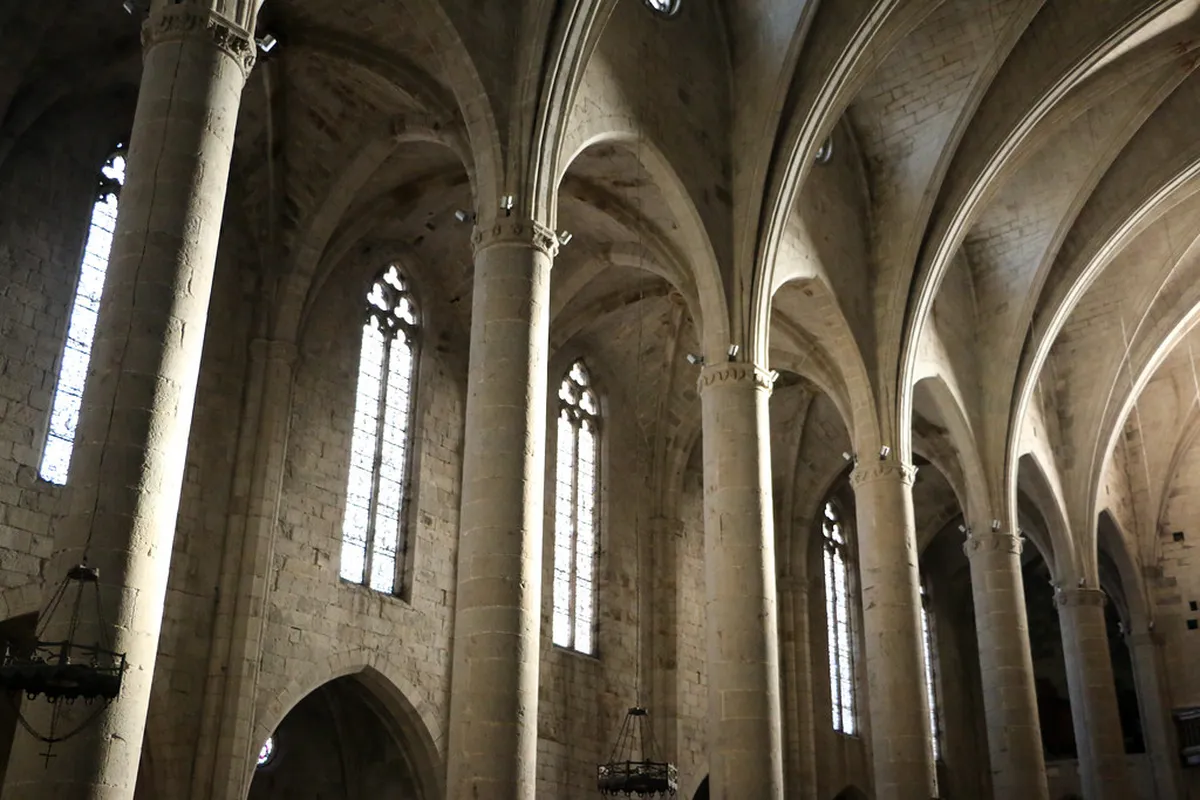
Table of Contents
Uncovering the Magic of Catalan Vaults in Barcelona
Barcelona is famous for its stunning architecture. Among its treasures is the unique Catalan vault, also known as a timbrel vault. This distinctive construction method shaped many iconic buildings. It represents a significant part of Barcelona's rich architectural history.
Understanding Catalan vaults reveals their clever engineering. These elegant structures are both strong and surprisingly thin. Join us to explore what a Catalan vault is and its legacy. You will discover why these vaults remain celebrated in 2025 across Barcelona's diverse architectural landscape.
What Exactly is a Catalan Vault?
A Catalan vault is a type of low arch or dome. It is constructed from layers of flat bricks. These bricks are laid without forms or centering. Builders use a quick-setting mortar for this technique. This method creates a thin, self-supporting structure.
The term "timbrel vault" often describes this same technique. It highlights the drum-like sound produced when tapping the completed surface. This sound indicates its unique, hollow construction. The structure gains immense strength from its curved shape.
Unlike traditional vaults, it relies on adhesion, not just gravity. Each layer of brick adheres to the next. This creates a monolithic shell. This innovative approach makes Catalan vaults lightweight and incredibly durable.
The Enduring History of Timbrel Vaults in Spain
The origins of the Catalan vault trace back centuries. They appeared in medieval Catalonia, Spain. Local builders perfected this efficient construction method. It gained immense popularity during the 19th and early 20th centuries.
Architects like Antoni Gaudí embraced this technique. He extensively used Catalan vaults in his famous works. Gaudí recognized their structural integrity and aesthetic appeal. His use propelled them into the spotlight of Catalan Modernisme architecture.
Raphael Guastavino, a Spanish architect, brought the technique to America. He called them "Guastavino tile arches." His work further popularized these timbrel vaults worldwide. Barcelona proudly holds the roots of this ingenious building style. Explore Barcelona's architectural history to understand its full impact.
Understanding Catalan Vault Construction Techniques
Building a Catalan vault requires skilled craftsmanship. The process begins with very thin bricks or tiles. These are laid flat against each other. Each layer is rapidly glued with fast-setting plaster or mortar.
Workers lay bricks in multiple layers, typically three or more. The first layer sets quickly, providing a base for the next. This allows construction without extensive temporary supports. The vault becomes self-supporting almost immediately.
This method offers several advantages. It uses less material than traditional masonry vaults. Construction is also significantly faster and more economical. The resulting structures are incredibly strong. They can span large spaces with elegance. Learn more about understanding Catalan vaults and their unique properties.
Iconic Places to See Catalan Vaults in Barcelona in 2025
💡 Pro Tip: Book your Barcelona adventures in advance through Viator for the best deals!
Barcelona offers many stunning examples of Catalan vaults. One prime location is the Palau de la Música Catalana. Its ornate interiors showcase intricate vaulted ceilings. Visiting in 2025 provides an excellent opportunity to admire this masterpiece by Lluís Domènech i Montaner.
Another must-see is the Hospital de Sant Pau. Its expansive corridors feature beautiful Catalan vaulting. The delicate brickwork creates a sense of lightness and grandeur. Both sites are UNESCO World Heritage locations.
While Gaudí mostly used inverted catenary arches, his early works sometimes incorporated similar principles. For a broader view, consider an architecture tour. These tours often highlight various vaulting techniques. You can discover hidden gems showcasing this unique construction.
Frequently Asked Questions
🎯 Insider Tip: Discover the best Barcelona experiences with Viator Tours!
Are Catalan vaults only found in Spain?
No, Catalan vaults are not exclusive to Spain. While originating in Catalonia, Spain, they spread globally. Architect Raphael Guastavino introduced them to the United States. He built over 1,000 structures using this method. Many can be found in major American cities.
What materials are used in a timbrel vault?
Timbrel vaults primarily use flat bricks or tiles. These are typically thin and lightweight. Fast-setting mortar or plaster binds the layers together. This combination creates a strong, cohesive structure. It highlights the ingenuity of this construction.
Is the Sagrada Familia an example of a Catalan vault?
The Sagrada Familia showcases various innovative vaulting techniques. Antoni Gaudí designed many complex structures there. While not traditional Catalan vaults, they draw inspiration from similar principles. His designs often blend geometry with natural forms. Discover more about Sagrada Familia architecture.
Who was Raphael Guastavino and his connection to Catalan vaults?
Raphael Guastavino was a Spanish architect and builder. He was born in Valencia, Spain. Guastavino perfected and popularized the Catalan vault technique. He brought it to the United States in the late 19th century. His work is still admired today.
Catalan vaults, or timbrel vaults, are architectural marvels. Their elegant design and structural efficiency stand out. They embody centuries of building innovation. Barcelona remains the perfect place to appreciate their beauty.
Plan your visit to see these incredible structures in 2025. Explore the works of master architects. Dive deeper into where to see Catalan vaults in Barcelona. Witness the lasting legacy of these extraordinary designs.
Key Takeaways
- Catalan vaults are thin, self-supporting structures made of layered bricks.
- They are also known as timbrel vaults due to their unique sound.
- Antoni Gaudí and Raphael Guastavino popularized this historic technique.
- Visit Palau de la Música and Hospital de Sant Pau to see prime examples in Barcelona.