
Key Features of Catalan Gothic Style in Barcelona
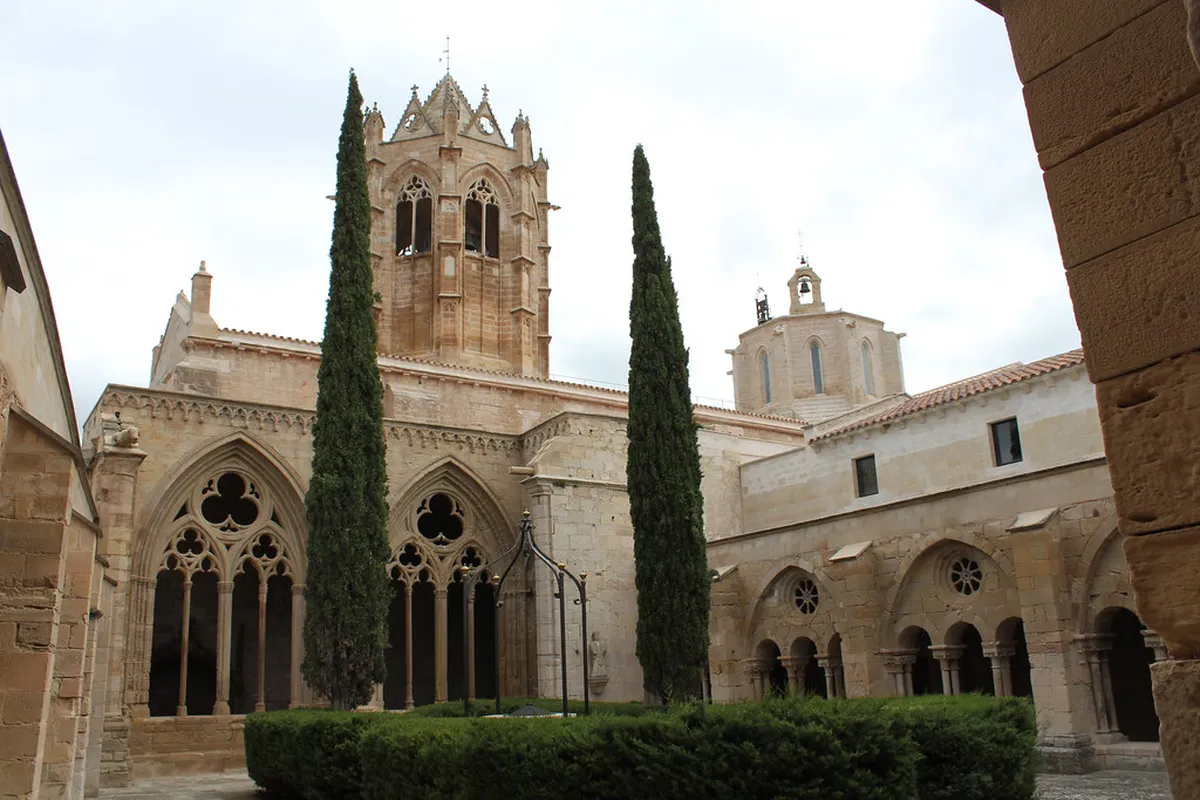
Table of Contents
Unveiling Barcelona's Unique Catalan Gothic Architecture
Barcelona whispers tales of ancient times. Its historic districts hide architectural marvels. Among them is the striking Catalan Gothic style. This unique style emerged from local traditions. It offers a distinct contrast to other European Gothic forms.
Discover the architectural history of this beautiful city. This article explores the key features of Catalan Gothic style in Barcelona. You will learn what makes it so special. Prepare to be inspired by these incredible structures.
Origins and Evolution of Catalan Gothic in Barcelona
Catalan Gothic emerged during the 13th century. It flourished throughout the 14th and 15th centuries. This period marked significant economic growth for Catalonia. Barcelona became a powerful maritime trading center.
The style reflects a blend of practicality and local resources. It developed organically, diverging from French Gothic influences. Builders focused on functionality and expansive interiors. This approach led to fewer decorative elements. The style emphasized robust construction. Learn more about Gothic architectural elements in general.
Financial constraints also played a role. Wealthy merchants funded these grand projects. They often preferred an austere yet impressive aesthetic. This choice saved on intricate, costly ornamentation. It created a powerful local architectural identity.
Distinctive Hall-Church Layout and Simplicity
One of the key features of Catalan Gothic style is its hall-church plan. The nave and aisles often stand at similar heights. This creates a vast, unified interior space. The result is a profound sense of openness and grandeur.
Unlike other Gothic styles, flying buttresses are often internal. They merge seamlessly into the building's structure. This creates a solid, imposing exterior wall. Verticality remains present but less exaggerated. It offers a unique visual experience.
The interiors showcase remarkable simplicity. Ornamentation remains purposefully minimal. Focus instead shifts to soaring columns and expansive vaults. This design allows for clear sightlines throughout the church. Discover the beauty of the Barcelona Cathedral architecture.
Fewer windows typically adorn the lower sections. Light often filters from higher windows only. This creates a more intimate, contemplative atmosphere. The emphasis is on space, not dramatic light play. This unique light quality defines many structures.
Robust Structures: Internal Buttresses and Catalan Vaults
Catalan Gothic structures boast impressive strength. Internal buttresses provide crucial support for high ceilings. These supports are often integrated into the side chapels' walls. This design provides significant structural stability. It makes the buildings feel incredibly secure.
The use of "Catalan vaults" is another hallmark feature. These shallow brick vaults require less scaffolding during construction. They are both efficient and incredibly strong. Understanding Catalan vaults reveals local ingenuity. This construction method became a regional specialty in 2025.
Walls are typically thick and incredibly solid. This adds to the building's often fortress-like appearance. This robust construction offered protection in turbulent times. It also provided excellent insulation properties. Consider these strong, protective walls.
These robust structural choices truly distinguish the style. They allowed for massive interiors with minimal external support. It stands as a testament to medieval engineering prowess. Such clever designs optimized available materials.
Light, Stained Glass, and Limited Ornamentation
⭐ Recommendation: Don't miss out on amazing Barcelona tours - book now!
Light plays a crucial role, but in a distinct way. Fewer, larger windows often dominate the upper walls. This limits direct sunlight and creates soft, diffused illumination. It enhances the feeling of spaciousness and calm.
Stained glass windows are present, yet often less intricate. Their primary purpose is often functional, allowing light in. They provide a beautiful, subtle splash of color. Explore the intricate stained glass in Barcelona churches.
External ornamentation is typically quite sparse. Gargoyles and simple carvings are common sights. Intricate sculptural programs are largely absent. This contrasts sharply with other European Gothic cathedrals. It emphasizes the building's pure form.
Interiors feature predominantly plain stone surfaces. The true beauty comes from scale and form. Details like column capitals might be simpler. This architectural restraint truly defines the Catalan Gothic aesthetic. It creates a serene and powerful environment.
Iconic Catalan Gothic Examples in Barcelona
Barcelona's Gothic Quarter proudly showcases this style. The Basilica of Santa Maria del Mar is a prime example. It is known for its elegant simplicity and grand scale. Construction lasted only 55 years, a remarkable feat.
Visit Santa Maria del Mar at Plaça de Santa Maria. Basic entry is often free for personal reflection. Guided tours are available for a small fee, usually around €5-10 in 2025. Check their official website for current hours and prices. This church embodies many key features of Catalan Gothic style.
The Barcelona Cathedral also displays Catalan Gothic elements. Its impressive main façade was completed much later. Inside, you find the characteristic wide nave. The serene cloisters offer a peaceful retreat. It's a must-see for architecture lovers.
Explore the cathedral located at Pla de la Seu. Admission usually costs €7-9 in 2025 for tourist visits. Free entry is often available during specific morning and evening hours. Always check their website before your visit for details. Don't miss the beautiful rooftop views from some Gothic buildings. Consider a self-guided architecture walk to experience these wonders.
Frequently Asked Questions
What defines a hall church in Catalan Gothic architecture?
A hall church typically features a nave and aisles of similar height. This design creates a vast, open interior space. It differs significantly from traditional basilicas. They have a taller central nave.
This layout allows for unobstructed views of the altar. It promotes a feeling of communal space. Discover more about Barcelona's architecture guide to understand its significance.
How do Catalan Gothic buttresses differ from French Gothic ones?
Catalan Gothic frequently uses internal buttresses. These supports are integrated directly into the side chapel walls. This creates a solid, less perforated exterior wall. French Gothic, however, relies on prominent external flying buttresses.
This internal support system is a key structural difference. It gives Catalan Gothic buildings a more robust appearance. Learn more about distinct Gothic architectural elements.
Where can I best experience Catalan Gothic in Barcelona during 2025?
The Gothic Quarter offers the best immersive experience. Visit the Basilica of Santa Maria del Mar for its pure form. The Barcelona Cathedral also showcases many key features. Both are open to visitors.
A self-guided architecture walk is highly recommended. This allows you to truly immerse yourself. You can explore the intricate details at your own pace.
The key features of Catalan Gothic style truly make Barcelona unique. Its robust construction and simple grandeur stand out. This distinct architectural language tells a powerful story. It reflects the region's rich history and enduring values.
Plan your visit to explore these magnificent structures in 2025. Dive deeper into Barcelona's rich architectural heritage. Experience the enduring beauty of Catalan Gothic for yourself.
Key Takeaways
🎯 Insider Tip: Discover the best Barcelona experiences with Viator Tours!
- Catalan Gothic emphasizes simple, unified hall-church interiors.
- Look for robust internal buttresses and efficient Catalan vaults.
- Expect less external ornamentation and softly diffused light.