
How Was Sagrada Familia Designed? Gaudí's Architectural Genius
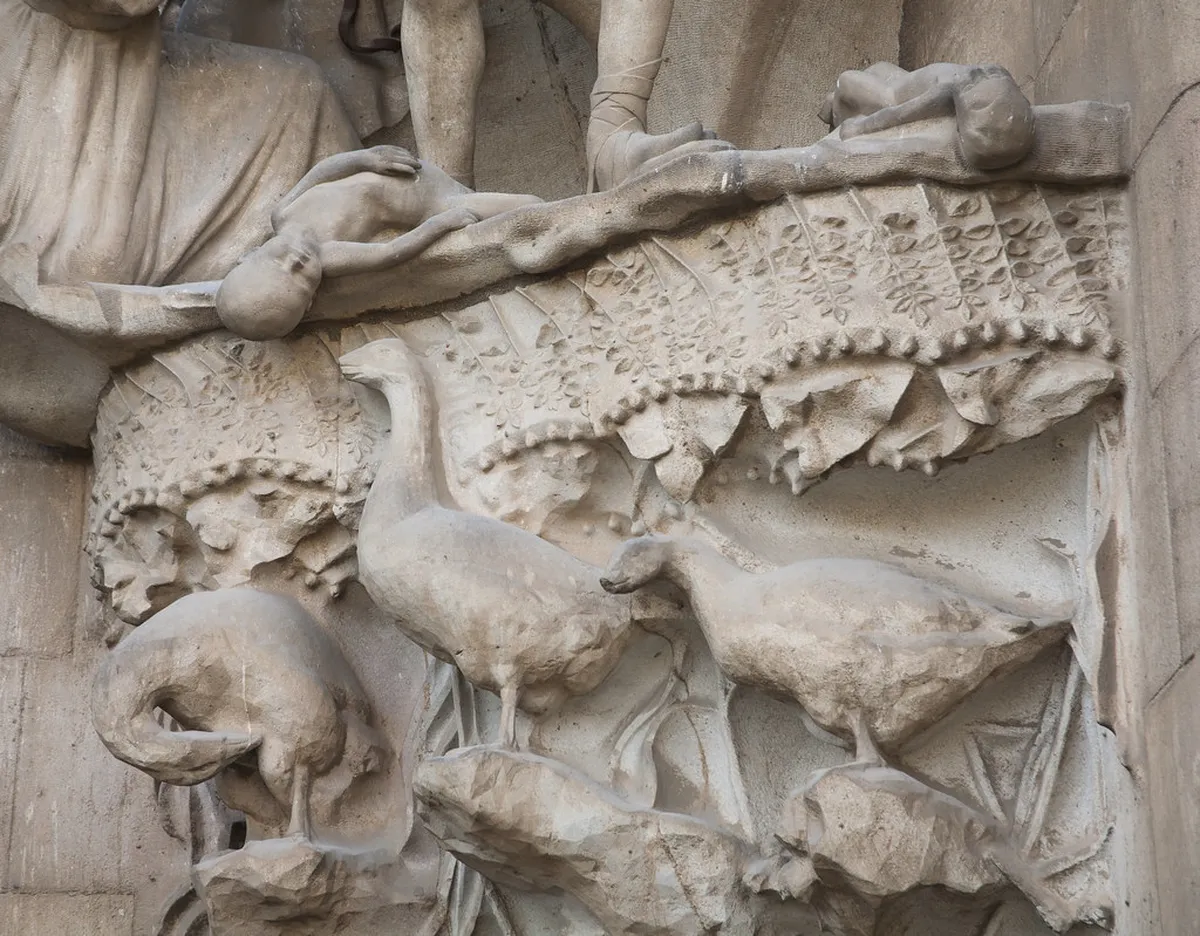
Table of Contents
Unraveling Antoni Gaudí's Sagrada Familia Design in Barcelona
The Sagrada Familia stands as Barcelona's iconic masterpiece. Visitors often wonder how was the Sagrada Familia designed. Antoni Gaudí's groundbreaking vision began in 1883. He transformed a traditional Gothic project into something unique.
This basilica blends nature, faith, and innovative engineering. Discover Barcelona's architectural wonders with ease. Prepare to be amazed by this enduring marvel in 2025.
Gaudí's Revolutionary Design Philosophy
Antoni Gaudí brought a unique design philosophy to the Sagrada Familia. He believed in learning directly from nature's perfect forms. His work transcended traditional architectural styles. This approach defined the basilica's entire structure.
Gaudí considered nature the ultimate teacher for his designs. He studied organic shapes found in forests, mountains, and even human skeletons. This informed his use of columns resembling trees. It also shaped the intricate details found throughout the structure. Visitors can see these influences clearly. Explore Gaudí's full design philosophy for deeper understanding.
He also incorporated elements of Catalan Modernisme. This artistic movement flourished in Barcelona during his time. Gaudí's genius elevated it to new heights. The Sagrada Familia remains a prime example of this unique style. Its forms are both organic and deeply symbolic. Discover more of Gaudí's famous buildings across the city.
Nature's Influence and Structural Innovation
Gaudí's Sagrada Familia design heavily features organic architecture. He used inverted models and weighted chains to calculate natural load paths. This innovative technique helped him create stable, elegant structures. The resulting forms mimic natural elements like trees and bones.
He famously employed hyperbolic paraboloids and hyperboloids. These geometric shapes provide immense structural strength. They allow for intricate, curving surfaces. This creates a sense of fluid motion within the stone. You can observe these complex shapes in the vaults and windows. Learn more about Sagrada Familia's unique architecture and its construction.
The central nave of the basilica feels like a stone forest. Columns branch out at the top, supporting the roof. Light filters through stained-glass windows, simulating a canopy. This design makes the interior feel remarkably light and airy. It is a true testament to Gaudí's engineering prowess. This natural influence remains central to how the Sagrada Familia was designed.
Symbolism and Ongoing Craftsmanship
Every element of the Sagrada Familia is imbued with Christian symbolism. The three grand facades tell different stories of Christ's life. The Nativity Facade celebrates his birth, while the Passion Facade depicts his suffering. The Glory Facade, still under construction, will represent eternal bliss.
The basilica's towers represent various figures. There are twelve apostles, four evangelists, Mary, and Jesus Christ. The tallest tower, dedicated to Jesus, will reach 172.5 meters. This makes it the highest church tower in the world. Understand the facade symbolism to fully appreciate your visit.
Construction began in 1882 and continues today in 2025. Modern technology helps complete Gaudí's original vision. Skilled artisans follow his detailed drawings and models. They ensure the spirit of his design is maintained. The ongoing work is a tribute to his enduring legacy. The Sagrada Familia is a truly living work of art.
Frequently Asked Questions
🌟 Local Expert Tip: Get the most out of your Barcelona visit with guided tours!
What unique techniques did Gaudí use for Sagrada Familia's design?
Gaudí employed revolutionary techniques for the Sagrada Familia. He used inverted catenary models to determine optimal structural forms. This involved hanging weighted strings to understand gravity's pull. He also pioneered the use of hyperbolic paraboloids. These shapes create incredible strength and unique visual effects. His methods allowed for organic, self-supporting structures. Learn more about Gaudí's innovative design philosophy and its application.
Why is Sagrada Familia still unfinished in 2025, despite its long history?
The Sagrada Familia remains unfinished in 2025 for several reasons. Gaudí knew the project would take centuries. He designed it to allow for continued construction after his death. Funding comes solely from private donations and visitor tickets. This makes the progress dependent on financial inflows. Explore the full history of Sagrada Familia's construction for more details.
How much does it cost to visit Sagrada Familia, and what are the best booking tips for 2025?
Ticket prices for the Sagrada Familia typically range from €26 to €40 in 2025. This depends on whether you opt for an audio guide or guided tour. Always book your tickets online in advance. This saves time and often money. Consider a skip-the-line ticket for peak season visits. Booking early is essential, especially for tower access.
The Sagrada Familia stands as a testament to Antoni Gaudí's genius. Its design seamlessly blends nature, faith, and architectural innovation. Understanding how was the Sagrada Familia designed deepens your appreciation. This ongoing masterpiece continues to inspire millions. It represents a living legacy of artistic and spiritual dedication. Plan your visit to witness this incredible wonder in Barcelona. Discover more architectural marvels on Architect Tourist for your next adventure.
Key Takeaways
💡 Pro Tip: Book your Barcelona adventures in advance through Viator for the best deals!
- Gaudí's design relies heavily on natural forms and geometry.
- Innovative techniques like catenary models shaped the basilica's structure.
- Every detail in Sagrada Familia holds deep religious symbolism.
- The basilica's construction is ongoing, funded by visitors and donations.
- Booking tickets in advance is crucial for a smooth 2025 visit.