
Explore El Raval Architecture: Barcelona's Historic Core
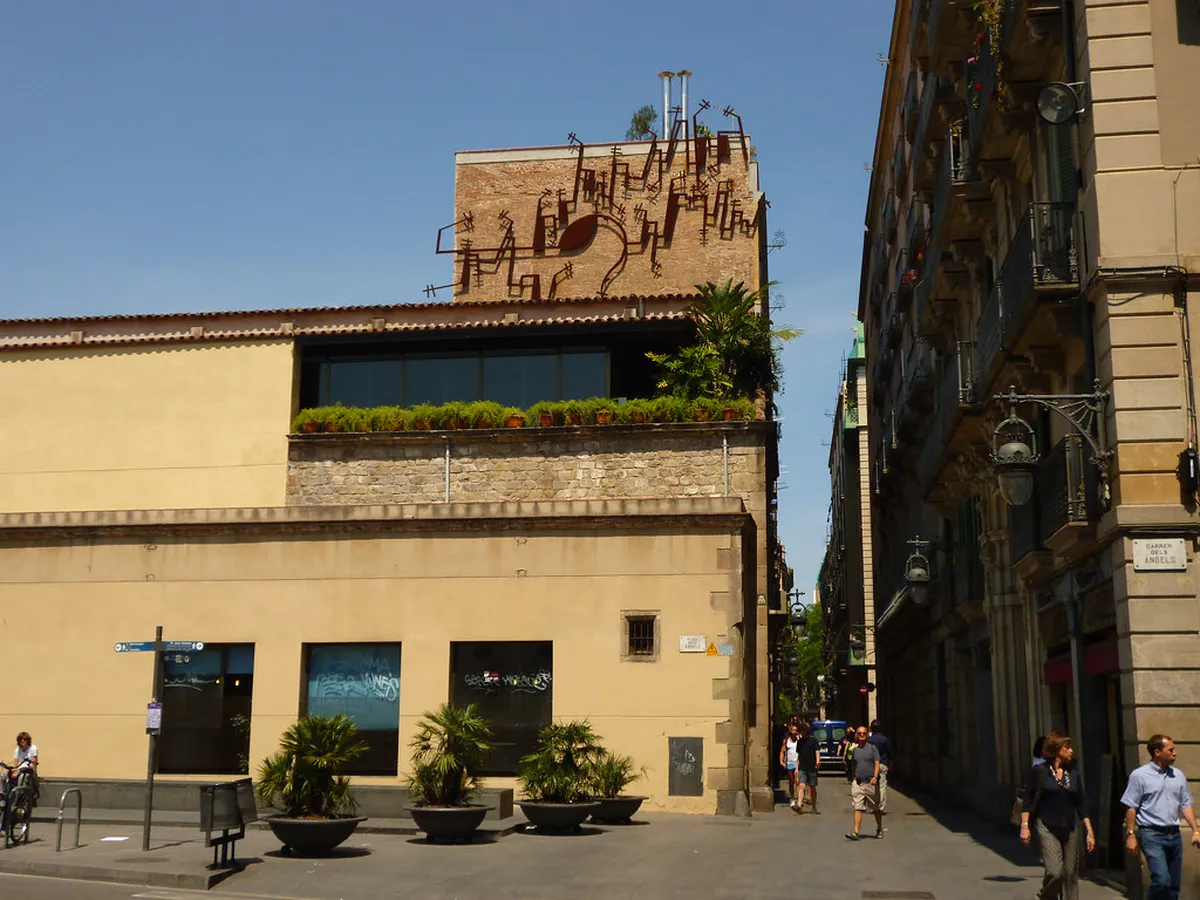
Table of Contents
Unveiling El Raval Architecture: A Barcelona Guide
El Raval offers a fascinating journey through Barcelona's architectural history. This dynamic neighborhood, once a medieval suburb, now thrives with vibrant energy. Its streets reveal layers of design, reflecting centuries of change. You will find ancient structures alongside contemporary art spaces. Understanding El Raval's buildings provides insight into Barcelona's broader story. This guide helps you navigate its unique architectural landscape in 2025. Begin your exploration of Barcelona architecture history here. For a general overview, check our comprehensive Barcelona architecture guide.
The Rich History of El Raval's Buildings
El Raval started as an agricultural area outside Barcelona's old city walls. It developed organically, with narrow, winding streets. Early structures were mostly humble dwellings and convents. The neighborhood's initial growth was largely unplanned.
During medieval times, El Raval became a place for hospitals and monasteries. The Sant Pau del Camp monastery dates back to the 10th century. Its Romanesque style offers a glimpse into Barcelona's past. This historical foundation shaped the district's dense urban fabric.
Industrialization in the 19th century brought significant changes. New factories and working-class housing emerged. Many buildings from this era feature simpler, functional designs. They reflect the practical needs of a growing population. These structures contribute to El Raval's unique character.
Today, remnants of its varied past are visible everywhere. Walking through El Raval feels like traveling through time. You can observe how different eras influenced its construction. This architectural blend makes the district truly captivating. Learn more about Roman architecture in Barcelona for further context.
Key Architectural Landmarks in El Raval
The Museum of Contemporary Art of Barcelona (MACBA) dominates Plaça dels Àngels. Richard Meier designed this iconic white building. Its minimalist style contrasts sharply with the surrounding historic blocks. MACBA opened in 1995 and symbolizes modern urban renewal.
The Centre de Cultura Contemporània de Barcelona (CCCB) is another cultural hub. It occupies part of the Casa de Caritat, a former almshouse. The CCCB beautifully blends historical structure with contemporary additions. It represents adaptive reuse in action. Explore more contemporary Barcelona buildings.
Sant Pau del Camp monastery is a true hidden gem. It is one of Barcelona's oldest Romanesque churches. Its serene cloister offers a peaceful escape. The intricate carvings and ancient stone are truly remarkable. Admission is around €5, and hours vary, so check online for 2025.
Beyond these major sites, El Raval boasts numerous significant facades. Look for art nouveau details on older apartment buildings. These subtle touches add elegance to everyday streetscapes. They are a testament to Barcelona's rich design heritage. Discover key architectural landmarks in El Raval in detail.
Modern and Contemporary Designs
El Raval has undergone significant urban regeneration since the 1980s. This transformation brought new public spaces and contemporary structures. The Rambla del Raval is a prime example of this renewal. It created a much-needed open area for residents and visitors.
One prominent modern feature is Fernando Botero's 'El Gato' sculpture. This playful cat statue adds a quirky touch to the Rambla. It reflects the district's evolving artistic identity. Public art installations are common throughout the area.
The Filmoteca de Catalunya is another notable contemporary building. It features a striking modern design. Its clean lines and functional aesthetic stand out. This cultural institution contributes to El Raval's vibrant arts scene. You can also find a similar approach in the Richard Meier MACBA building.
New residential projects and renovated buildings continue to appear. Architects often blend modern elements with traditional designs. This creates a harmonious urban landscape. El Raval showcases a living, breathing architectural evolution. Consider a Barcelona architecture tour to see these contrasts firsthand.
A Self-Guided Architectural Walk Through El Raval
🌟 Local Expert Tip: Get the most out of your Barcelona visit with guided tours!
Start your architectural exploration at the top of La Rambla, near Plaça Catalunya. Head into El Raval, immediately noticing the narrower streets. These contrast sharply with the expansive Eixample district. You will sense the historical density quickly.
Your first major stop should be the MACBA and CCCB complex. Spend time admiring their exteriors and the surrounding public square. Observe how the modern designs interact with older buildings. This area is a great starting point for understanding the district's contrasts.
Next, wander south through the labyrinthine streets towards Sant Pau del Camp. Use a map to navigate the winding alleys. Pay attention to the varied facades, from medieval to 19th-century. You'll discover countless small details and hidden courtyards.
Finish your walk at the Rambla del Raval, enjoying 'El Gato'. From here, you can easily access the port area. This route offers a comprehensive look at El Raval's architectural layers. A self-guided architecture walk offers true flexibility.
- Approximate Duration: 2-3 hours
- Best Time: Morning to avoid crowds
- Cost: Mostly free, except for museum entries
Practical Tips for Exploring El Raval's Architecture
💡 Pro Tip: Book your Barcelona adventures in advance through Viator for the best deals!
Wear comfortable shoes, as you will be doing a lot of walking. El Raval's streets are mostly flat but can be uneven. Allow plenty of time to explore side streets and absorb the atmosphere. Rushing through the district means missing many details.
Stay aware of your surroundings, especially in crowded areas. While generally safe, pickpocketing can occur, like in any major city. Keep your valuables secure and out of sight. Enjoy the vibrant street life responsibly.
Consider visiting during the cooler months for a more pleasant experience. Spring (April-May) and fall (September-October) are ideal. Summer can be hot and humid, especially in 2025. Fewer crowds also enhance the experience.
Many small cafes and restaurants offer great resting spots. Take breaks to enjoy local tapas and observe daily life. This helps you appreciate the district's living architecture. For deeper dives, consider specific architecture photography spots.
Do not be afraid to look up; many architectural gems are above street level. Ornate balconies, unique window frames, and historical plaques abound. These details tell stories of past residents and builders. A keen eye will reward you immensely. Discover more about a self-guided walk through El Raval with more tips.
Frequently Asked Questions
🌟 Local Expert Tip: Get the most out of your Barcelona visit with guided tours!
What architectural style is most prominent in El Raval, Barcelona?
El Raval displays a mix of architectural styles. You will find medieval structures alongside 19th-century industrial buildings. There are also notable modern and contemporary additions. This blend reflects centuries of urban development. It makes El Raval architecturally unique. Contrast this with the specific Barcelona Gothic Quarter.
Are there any famous modern buildings to see in El Raval?
Yes, El Raval features several famous modern buildings. The Museum of Contemporary Art of Barcelona (MACBA) is a prime example. Its striking white design by Richard Meier is iconic. The Centre de Cultura Contemporània de Barcelona (CCCB) also showcases modern architectural elements. These buildings contribute to the district's contemporary appeal. For more modern structures, see our guide on contemporary Barcelona buildings.
Is El Raval architecture different from other Barcelona neighborhoods?
Yes, El Raval's architecture differs significantly from areas like the Eixample. It lacks the grand boulevards and Modernisme masterpieces of the Eixample. Instead, El Raval has a denser, more organic street plan. Its buildings reflect a working-class history and modern regeneration. This creates a distinct visual identity. Compare this to the planned Eixample district architecture.
What is the best way to explore El Raval's architectural sites?
The best way to explore El Raval's architectural sites is on foot. Many streets are pedestrian-friendly, allowing for close inspection. A self-guided walk offers flexibility to linger at interesting spots. You can follow our suggested route or discover your own path. Exploring on foot provides the most immersive experience. Learn more about planning a self-guided architecture walk.
El Raval offers a compelling architectural narrative within Barcelona. Its diverse buildings tell stories of growth, struggle, and renewal. From ancient monasteries to modern art museums, every corner reveals something new. This district truly encapsulates Barcelona's multifaceted character. Plan your visit to discover the rich El Raval architecture firsthand. Explore more of Barcelona's architecture with our detailed maps. For comprehensive guides, visit Architect Tourist.
Key Takeaways
💡 Pro Tip: Book your Barcelona adventures in advance through Viator for the best deals!
- El Raval architecture blends medieval, industrial, and modern styles.
- Visit MACBA and CCCB for contemporary design, and Sant Pau del Camp for history.
- Explore on foot for the best experience; wear comfortable shoes and allow ample time.