
Baroque Architecture of Santa Teresa Convent Ávila
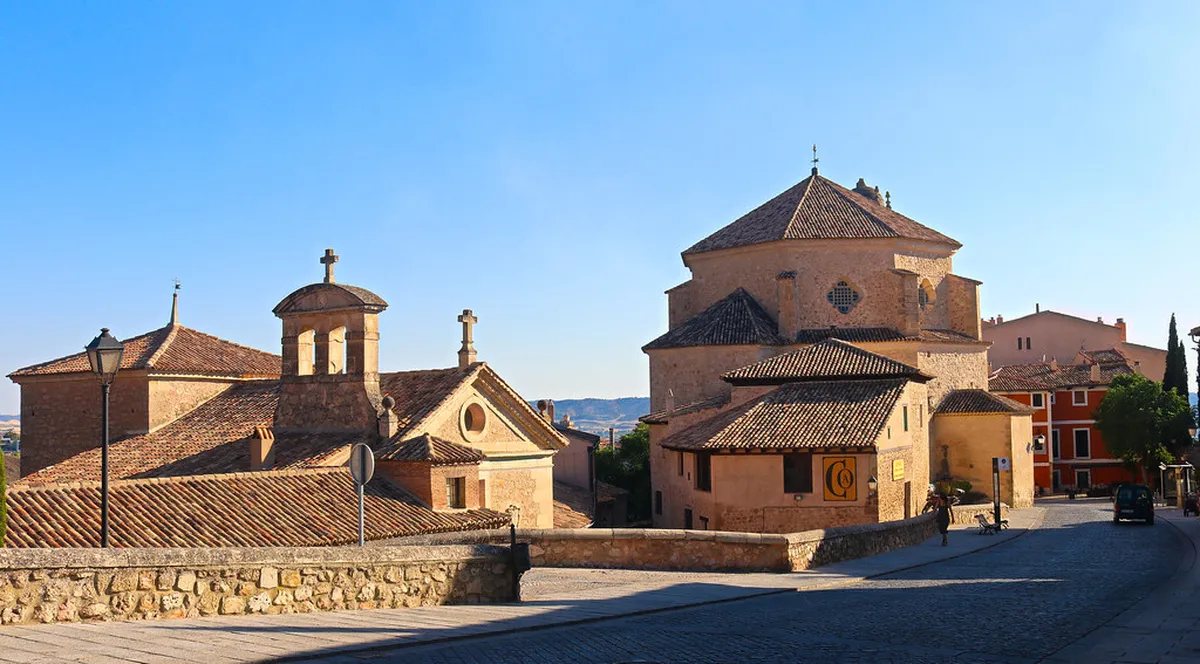
Table of Contents
Unveiling Ávila's Santa Teresa Convent Baroque Architecture
The Santa Teresa Convent in Ávila, Spain, holds significant historical value. It serves as a spiritual landmark in this ancient city. Its Baroque architecture of the Santa Teresa Convent is truly remarkable. This style dominates its design, offering visitors a visual feast. Learn about its intricate details and rich heritage, a must-see for any Ávila architecture guide. Plan your visit to this beautiful site and explore its unique construction today.
This article delves into the captivating Baroque elements. We will explore the convent's design, from its grand facade to its ornate interiors. Discover why the Convento de Santa Teresa stands out. Its architectural legacy honors Saint Teresa of Ávila's profound influence on Spanish art and faith.
Origins and Influences of the Convent's Baroque Style
The Santa Teresa Convent's construction began in 1636. It was built on the birthplace of Saint Teresa of Ávila. Architect Fray Alonso de San José oversaw the project. He implemented a distinct early Baroque aesthetic.
The design follows the Carmelite Order's architectural principles. These emphasized simplicity yet allowed for decorative flair. This unique blend contributes to the convent's charm. It stands as a testament to 17th-century Spanish religious art.
Key influences include the Herrerian style, a precursor to Baroque. This can be seen in its austere lines and geometric forms. Later, more ornate Baroque elements were introduced. This created a balanced and evolving architectural narrative.
Understanding its foundation helps appreciate its evolution. This blend of styles is common in Ávila's historic construction. The convent represents a crucial period in Spanish architectural history.
Defining Baroque Features of the Convent Church
The church facade is a prime example of Baroque architecture. It features two powerful bell towers flanking the central entrance. Elaborate sculptures adorn the portal. These depict Saint Teresa and other Carmelite saints.
Inside, the single nave floor plan creates a sense of grandeur. Barrel vaults cover the nave, adding to its impressive height. The transept is topped by a magnificent dome. This dome allows natural light to illuminate the altar area.
The main altarpiece is a spectacular Baroque masterpiece. It showcases gilded wood carvings and vibrant polychrome sculptures. This focal point commands attention from all visitors. Its intricate details are truly breathtaking.
Visitors often admire the use of different materials. Local granite provides a sturdy foundation for the intricate details. The contrast creates a visual depth. Explore the rich architectural details during your visit. You will find beauty in every corner.
Interior Decoration: A Baroque Masterpiece in Ávila
The convent's interior is a rich tapestry of Baroque art. Chapels lining the nave are individually decorated. Each features their own smaller altarpieces and devotional imagery. These chapels provide quiet spaces for reflection.
Sculptures play a significant role in the interior design. Figures of saints seem to emerge from the walls. They convey emotion and spiritual intensity. These pieces add dynamic movement to the static architecture.
Paintings from the 17th and 18th centuries adorn the walls. They depict scenes from the life of Saint Teresa. These artworks contribute to the convent's spiritual atmosphere. Many of these pieces are important works of art.
The sacristy and cloisters also feature notable Baroque elements. Though sometimes less ornate, they maintain the overall style. Don't miss the chance to explore what to see inside the Santa Teresa Convent. Every corner tells a story.
Visiting the Santa Teresa Convent: Practical Tips for 2025
⭐ Recommendation: Don't miss out on amazing Madrid tours - book now!
The Santa Teresa Convent is open to visitors throughout 2025. It offers a glimpse into Ávila's spiritual heritage. Check their official website for current operating hours. Typically, it is open mornings and afternoons, with a midday break.
There is a small entrance fee for the museum and birthplace house. The church itself is usually free to enter for worship. Prices are generally affordable, around €3-€5 per person. Discounts may apply for seniors or large groups.
Allow at least one to two hours for your visit. This provides ample time to appreciate the Baroque architecture. Consider combining your visit with a self-guided walk of Ávila. The convent is centrally located within the city walls.
The convent is a working religious institution. Dress respectfully when visiting the church and museum. Photography is often permitted in certain areas. However, always check for specific restrictions inside. It is one of many important religious buildings in Ávila.
Frequently Asked Questions
What is the most notable Baroque element in the Santa Teresa Convent?
The most striking Baroque element is the main altarpiece. It features highly detailed gilded wood carvings. These intricate designs are characteristic of the Spanish Baroque style. It dominates the church interior.
Who was the primary architect of the Santa Teresa Convent?
Fray Alonso de San José was the main architect. He began construction in 1636. His design skillfully blended traditional elements with early Baroque flourishes. Learn more about Convento de Santa Teresa's history.
Is there an entrance fee for the Santa Teresa Convent church?
The church itself is generally free for visitors to enter. There is typically a small fee for the museum. This museum includes Saint Teresa's birthplace. The cost is usually around €3-€5 in 2025.
The Baroque architecture of the Santa Teresa Convent is a true highlight of Ávila. It represents a significant era in Spanish artistic and religious history. Its grand facade and opulent interiors tell a compelling story. This sacred site remains a powerful testament to Saint Teresa's enduring legacy.
Plan your visit to this architectural marvel in 2025. Experience the profound beauty and spiritual depth firsthand. The convent offers a unique insight into a rich cultural past. Discover more Ávila architecture viewpoints to complete your trip.
Key Takeaways
- The Santa Teresa Convent showcases exquisite 17th-century Spanish Baroque architecture.
- Its main altarpiece is a gilded masterpiece, central to the church's design.
- Architect Fray Alonso de San José's vision shaped this significant religious site.
- Plan for a 1-2 hour visit in 2025 to appreciate its historical and artistic value.
- Combine your visit with other architectural gems in Ávila for a comprehensive tour.