
Brutalist Architecture Alicante: A Comprehensive Guide
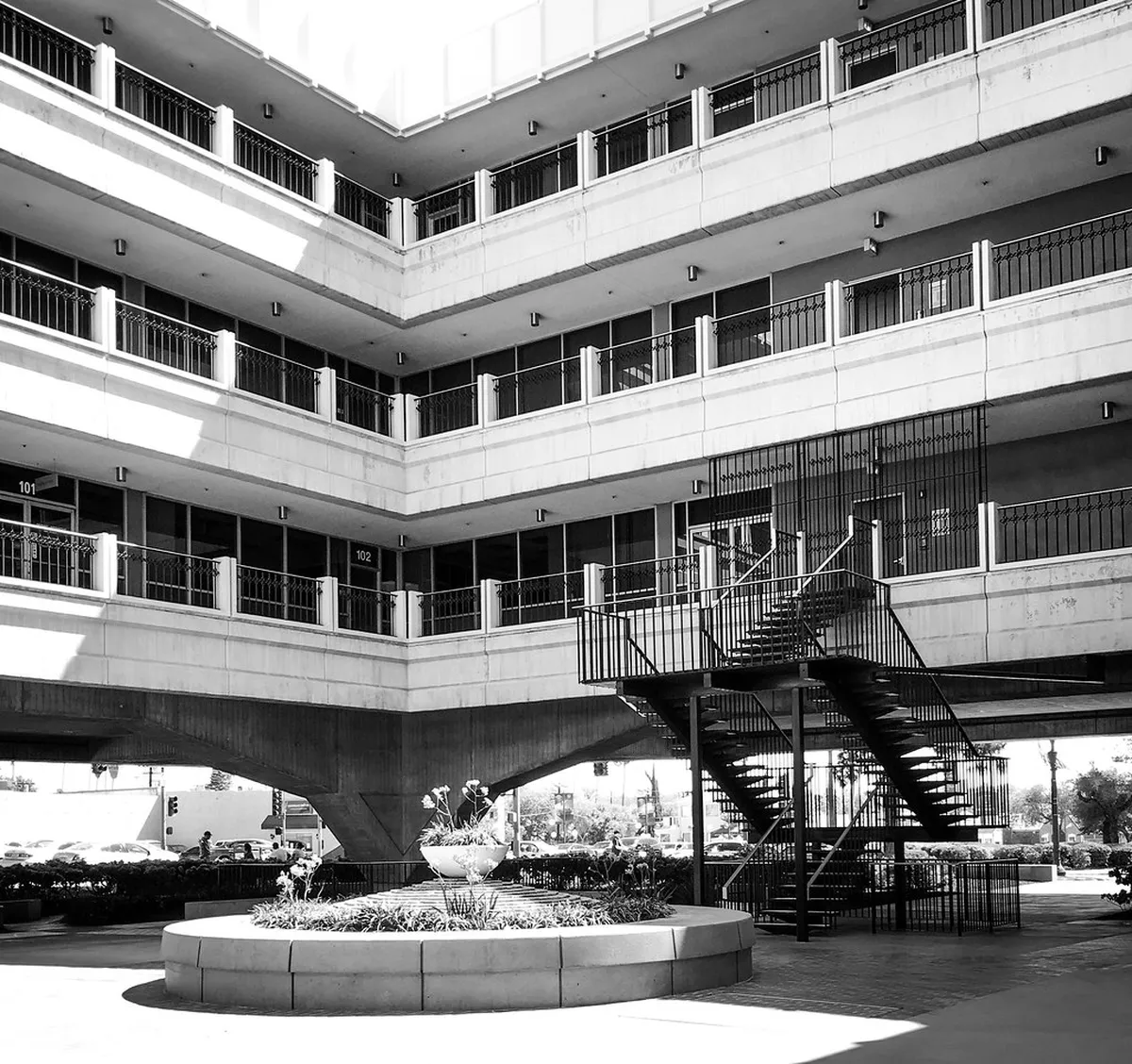
Table of Contents
Discovering Brutalist Architecture in Alicante
Alicante, a vibrant coastal city, boasts a rich architectural tapestry. From ancient castles to modernist gems, diverse styles shape its urban landscape. However, a lesser-known facet is its collection of Brutalist architecture. This robust style, characterized by raw concrete and functional designs, stands in stark contrast to traditional Spanish aesthetics. It offers a unique perspective on Alicante’s development during the mid to late 20th century.
This guide will help you uncover the fascinating world of Brutalist architecture in Alicante for your 2025 visit. We will explore key examples and understand their historical significance. Get ready to see the city's concrete wonders. Find out more about Alicante's diverse buildings in our Alicante architecture guide.
Understanding Brutalist Architecture in Spain
Brutalism emerged after World War II, focusing on raw concrete or béton brut. Its proponents valued honesty of materials and functional expression. This style often featured massive, monolithic forms. Buildings emphasized exposed structural elements and robust, angular designs.
In Spain, Brutalism found its footing during a period of rapid urban development. Cities like Alicante needed new infrastructure and public buildings. Architects embraced concrete for its versatility and cost-effectiveness. The style reflected a forward-looking vision for the future.
Key characteristics include strong geometric shapes and modular elements. Often, these structures were integrated into large-scale urban planning projects. They prioritized public use and efficient construction. Learn about other materials used in Alicante's building materials.
Brutalist buildings aimed for a sense of permanence and grandeur. They often housed government offices, universities, or cultural centers. While sometimes controversial, they represent a significant architectural movement. Their impact on Alicante's urban fabric is undeniable.
Brutalist Gems in Alicante City Center
While not as prevalent as in some European capitals, Alicante features notable Brutalist structures. Many are public buildings constructed during the 1960s and 70s. These often blend into the city's diverse architectural styles, awaiting discovery by keen eyes.
One prominent example is the Provincial Council Palace (Diputación Provincial). While its main building has neoclassical roots, later additions and surrounding administrative structures show Brutalist influence. Look for its robust concrete forms and functional design elements.
Other civic buildings around the city center may also display Brutalist characteristics. These include certain municipal offices or health facilities from that era. They often feature large concrete facades and repetitive window patterns. Exploring these areas offers a glimpse into Alicante's modernist past.
Consider strolling through key governmental districts to spot these imposing structures. Many serve essential public functions today. Their architecture tells a story of post-war reconstruction and development. Discover more about Alicante's public buildings architecture.
The University of Alicante: A Brutalist Showcase
The University of Alicante campus is a prime location for Brutalist architecture. Established in 1979, many of its early buildings embody the style. Architects designed functional, large-scale structures for academic purposes. This makes it a fascinating area for exploration.
You will find numerous examples of raw concrete buildings here. They feature bold geometric forms and exposed structural elements. The campus's design reflects a commitment to modernism and efficiency. These buildings represent a specific moment in architectural history.
The philosophy behind the campus design focused on creating a self-contained academic city. Brutalism offered practical solutions for constructing many large buildings quickly. It provided durable and cost-effective spaces for learning. Take time to wander through the various faculty buildings.
Visitors can easily access the campus by tram or bus from Alicante city center. It offers a unique insight into a concentrated collection of Brutalist works. For detailed information on its design, explore our guide to the University of Alicante campus.
Beyond the City: Brutalist Echoes in Alicante Province
🎯 Insider Tip: Discover the best Alicante experiences with Viator Tours!
The influence of Brutalism extends beyond Alicante city itself. Many towns and coastal resorts in the province also feature structures from this era. Public housing projects, schools, and cultural centers often adopted Brutalist principles. These buildings served a rapidly growing population.
You might discover impressive concrete structures in places like Elche or Benidorm. While Benidorm is known for its skyscrapers, some older public buildings show Brutalist traits. These often combine functionality with a rugged aesthetic. It's worth looking past the obvious tourist attractions.
Identifying these structures sometimes requires a keen eye. Pure Brutalism might be rare, but many buildings incorporate elements of the style. Look for exposed concrete, strong vertical or horizontal lines, and monumental scale. This regional exploration provides a broader context.
For those specifically seeking these unique structures, resources exist. Our articles address questions like are there examples of Brutalist architecture in Alicante. You can also learn about finding concrete Brutalist structures in the Alicante province.
Planning Your Brutalist Architecture Tour in Alicante
⭐ Recommendation: Don't miss out on amazing Alicante tours - book now!
Embarking on a Brutalist architecture tour in Alicante is a rewarding experience for enthusiasts. Start your journey by identifying key locations. The University of Alicante campus is an excellent starting point. Allow several hours to fully explore its various buildings and courtyards.
Next, focus on the city center's public and administrative areas. Use a map to locate buildings constructed between the 1960s and 1980s. Pay attention to their facades and overall design. Many are best appreciated from the street level.
Consider walking or using public transport to navigate between sites. The tram system in Alicante is efficient and can take you directly to the university. Wear comfortable shoes, especially if you plan extensive walking. Don't forget your camera for capturing unique perspectives.
For those interested in documenting their findings, Alicante offers many photography spots. Early mornings or late afternoons provide the best light for concrete facades. You can also check for specific Alicante architecture tours that might cover modern periods in 2025.
Frequently Asked Questions
What defines Brutalist architecture in Alicante?
Brutalist architecture in Alicante is defined by its use of raw, exposed concrete. It features massive forms, strong geometric shapes, and a focus on functionality. These buildings often have a monumental and imposing presence. They emphasize structure and building materials.
Are there specific Brutalist buildings to visit in Alicante?
Yes, the University of Alicante campus contains many prime examples of Brutalist design. Some government and public buildings in the city center also showcase Brutalist elements. Look for structures built in the mid to late 20th century. For more detailed locations, explore our guide on finding concrete Brutalist structures.
Why is Brutalism present in Alicante's architecture?
Brutalism emerged during a period of urban growth and modernization in Spain. Alicante needed functional, cost-effective buildings for public services and education. The style allowed for rapid construction and durable structures. It was a popular choice for Alicante's urban planning needs.
Alicante's Brutalist architecture offers a striking contrast to its more traditional styles. These concrete giants tell a story of post-war development and modernist ideals. They represent a significant chapter in the city's urban history. Exploring them provides a unique architectural perspective.
Whether you are an architecture enthusiast or a curious traveler, these buildings are worth discovering. Plan your visit for 2025 to experience these impressive structures firsthand. Dive deeper into Alicante's diverse past with a full Architect Tourist guide. Start your architectural adventure in Alicante today!
Key Takeaways
⭐ Recommendation: Don't miss out on amazing Alicante tours - book now!
- Alicante's University campus is a prime location for Brutalist architecture.
- Look for exposed concrete and monumental forms in public buildings from the mid-20th century.
- Plan for walking or use public transport to explore Brutalist sites efficiently.