
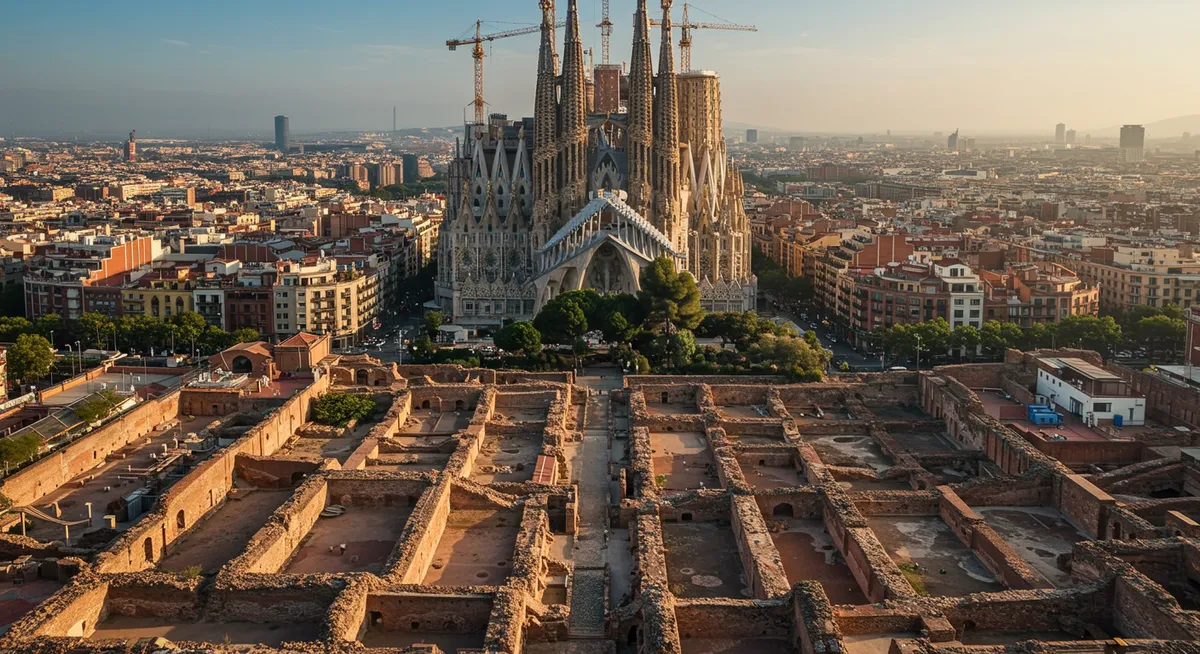
The Complete Barcelona History Guide: Museums to UNESCO Sites
Table of Contents
Want to find the best nightlife deals for this destination? Chat with our nightlife specialist!
Get Nightlife TipsCategory: barcelona-history
The Ultimate Barcelona History Guide: Explore by Category & Era
Discover Barcelona’s captivating history through this comprehensive guide, exploring key historical landmarks and cultural elements. From ancient Roman settlements to modernist masterpieces, Barcelona’s past is rich and diverse. This guide categorizes everything you need to know, covering Museums, Architecture, Historic Neighborhoods, Art & Galleries, Festivals, Street Art, Local Traditions, and UNESCO Sites, providing a structured approach to understanding Barcelona’s historical evolution in 2024.
Museums: Unveiling Barcelona’s Past Through Artifacts
Barcelona‘s museums offer a captivating journey through the city’s rich and complex history. From ancient Roman settlements to the Catalan Modernisme movement, these institutions house artifacts and exhibits that bring the past to life. As you explore the diverse collections, you gain a deeper understanding of the events, people, and cultural forces that have shaped Barcelona into the vibrant metropolis it is today. Each museum provides a unique lens through which to view the city’s evolution, and the stories they tell are essential for anyone seeking to truly know Barcelona.
Exploring Key Historical Museums
The Museu d’Història de Barcelona (MUHBA) is a must-visit for anyone interested in the city’s origins. This museum, spread across several sites, including the subterranean ruins of Roman Barcino, allows you to literally walk through history. Furthermore, its exhibits detail Barcelona’s development from Roman times through the Middle Ages, providing a comprehensive overview of its early years. For example, you can explore the remains of a Roman laundry, a fish-salting factory, and early Christian structures. Similarly, the Museu Marítim de Barcelona showcases the city’s deep connection to the sea, with exhibits on shipbuilding, navigation, and maritime trade. These museums collectively highlight Barcelona’s strategic importance as a port city throughout history.
Moreover, the National Art Museum of Catalonia (MNAC) houses an impressive collection of Catalan art from the Romanesque period to the mid-20th century. It features stunning Romanesque church frescoes, Gothic altarpieces, and masterpieces of Catalan Modernisme, including works by Gaudí and Casas. Additionally, the MNAC provides invaluable context for understanding the artistic and cultural movements that have defined Barcelona. For example, to dive deeper into Barcelona’s unique street art scene, explore our guide to Barcelona’s street art and the messages behind the murals.
Pro Tip: Purchase a Barcelona Card for free or discounted entry to many museums and attractions, as well as unlimited public transport.
Visiting these museums allows one to appreciate the layers of history that lie beneath the surface of modern Barcelona. As you wander through the exhibits, consider how each era has contributed to the city’s unique character. Museums are an integral part of experiencing Barcelona History, and are, without a doubt, essential stops for anyone seeking to understand this dynamic city. After your museum visits, explore the architecture further via our guide to Barcelona’s architecture and the stories behind the buildings.
Architecture: Tracing Historical Styles in Barcelona’s Buildings
Barcelona’s architectural landscape is a vibrant tapestry woven from centuries of history. The city showcases a fascinating evolution of styles, from the ancient Roman foundations to the whimsical creations of the Modernisme movement. Exploring Barcelona’s buildings is akin to walking through a living museum, where each structure tells a story of the past. Furthermore, the integration of various architectural styles reflects the city’s dynamic cultural and political history.
Gothic Quarter: A Medieval Marvel
The Gothic Quarter, or Barri Gòtic, stands as a testament to Barcelona’s medieval period. Its narrow, winding streets are lined with imposing Gothic structures, including the Barcelona Cathedral. This magnificent cathedral, with its soaring spires and intricate facades, exemplifies the Gothic architectural style. Similarly, the Palau de la Generalitat, the seat of the Catalan government, features a blend of Gothic and Renaissance elements, illustrating the transition between eras. For more insights into Barcelona’s historical districts, consider visiting our page on Barcelona’s historic districts.
The robust stone buildings and shadowy alleyways create an atmosphere that transports visitors back to the Middle Ages. As you wander through this area, pay attention to the details – the pointed arches, ribbed vaults, and ornate gargoyles that define Gothic architecture. Moreover, keep an eye out for hidden plazas and courtyards that offer glimpses into the quarter’s rich history. This area truly encapsulates the essence of Barcelona history through its tangible architectural heritage.
Pro Tip: Take a guided walking tour of the Gothic Quarter to fully appreciate the historical and architectural significance of its landmarks. Knowledgeable guides can provide fascinating insights into the stories behind these ancient structures.
Modernisme: Gaudí’s Architectural Revolution
No discussion of Barcelona’s architecture is complete without mentioning Antoni Gaudí and the Modernisme movement. Gaudí’s unique vision transformed Barcelona in the late 19th and early 20th centuries, leaving an indelible mark on the city’s skyline. Structures like the Sagrada Família, Park Güell, and Casa Batlló showcase Gaudí’s innovative use of organic forms, vibrant colors, and intricate details. Moreover, these architectural masterpieces are a testament to Gaudí’s genius and the artistic freedom of the Modernisme era. You can also explore our dedicated page on Barcelona’s architecture for more in-depth information.
Visiting these sites is essential for anyone interested in understanding Barcelona’s architectural evolution. Indeed, Gaudí’s work not only represents the pinnacle of Modernisme but also reflects the city’s embrace of creativity and innovation. To further enrich your experience, consider visiting a comprehensive sightseeing tour to gain a broader perspective on Barcelona’s architectural gems.
Embark on an architectural journey through Barcelona and discover how each era has contributed to the city’s unique and captivating urban landscape. Explore our resources and plan your visit to witness the historical styles that define this remarkable city.
Historic Neighborhoods: Walking Through Barcelona’s Oldest Districts
Exploring Barcelona’s historic neighborhoods is akin to walking through the pages of history. Each district possesses a unique character shaped by centuries of cultural, economic, and political evolution. From the ancient Roman remnants in the Gothic Quarter to the maritime heritage of Barceloneta, these neighborhoods offer a tangible connection to the city’s rich past. As you wander through their labyrinthine streets, you’ll discover hidden squares, architectural gems, and stories etched into the very fabric of the city.
The Gothic Quarter: A Roman and Medieval Legacy
The Gothic Quarter (Barri Gòtic) stands as the heart of old Barcelona, its narrow, winding streets reflecting its Roman origins. Originally the site of the Roman city of Barcino, this area showcases architectural remnants such as sections of the Roman wall and the Temple of Augustus. Moreover, the medieval period significantly shaped the Gothic Quarter, evident in landmarks like the Barcelona Cathedral and the Plaça Sant Jaume, home to the city hall and the Palau de la Generalitat. Furthermore, the neighborhood’s ambiance transports you back in time, revealing the layers of history beneath the bustling modern city. Discover more of Barcelona’s rich history by visiting our page dedicated to Barcelona’s historic districts.
El Raval: A Melting Pot of Cultures
Once known as a marginalized district, El Raval has transformed into a vibrant, multicultural hub. Historically, it was home to factories, cabarets, and a diverse population of immigrants and working-class residents. However, today, El Raval is celebrated for its artistic vibe, eclectic mix of shops and restaurants, and cultural institutions like the MACBA (Barcelona Museum of Contemporary Art). Consequently, walking through El Raval offers a glimpse into the city’s evolving identity and its embrace of diversity.
La Barceloneta: From Fishing Village to Modern Beachfront
La Barceloneta began as a humble fishing village in the 18th century and has since evolved into one of Barcelona’s most beloved beachfront neighborhoods. Designed with a grid-like layout, it was initially built to house residents displaced by the construction of the Ciutadella Park. Additionally, its maritime history is palpable in its seafood restaurants, sandy beaches, and the bustling port. La Barceloneta seamlessly blends its historical roots with modern beach culture, offering a unique experience for visitors. Besides exploring these neighborhoods, consider discovering Barcelona’s architectural wonders, such as the Sagrada Familia. You can find valuable information at Barcelona Architecture.
Ready to immerse yourself in the vibrant history of Barcelona? Plan your visit and explore these enchanting neighborhoods to experience the city’s captivating past firsthand.
Art & Galleries: Exploring Historical Art Movements in Barcelona
💡 Pro Tip: Book your Barcelona adventures in advance through Viator for the best deals!
Barcelona’s vibrant art scene is deeply intertwined with its rich history. From the Gothic masterpieces adorning its cathedrals to the avant-garde creations that defined the Modernisme movement, the city offers a compelling journey through various historical art movements. Exploring Barcelona’s art galleries and museums provides invaluable insights into the cultural and social contexts that shaped the city we know today. This artistic exploration allows you to understand how different eras have left their indelible mark on Barcelona history.
Gothic and Romanesque Art
The Gothic Quarter, with its narrow, winding streets, is home to numerous examples of Gothic and Romanesque art. The Museu Nacional d’Art de Catalunya (MNAC) houses an extensive collection of Romanesque church paintings and Gothic altarpieces, reflecting the religious fervor and artistic skill of the medieval period. Moreover, the Barcelona Cathedral itself is a stunning example of Gothic architecture and artistry. You can delve deeper into the city’s architectural styles by visiting our page on Barcelona’s architecture.
Furthermore, Barcelona has galleries and museums that showcase earlier artistic periods. For example, some collections focus on the pre-Roman and Roman influences that set the stage for later artistic developments. Consequently, the city acts as a living gallery where historical context enriches every brushstroke and sculpture.
Modernisme and Beyond
No exploration of Barcelona history through art is complete without considering Modernisme. Antoni Gaudí’s architectural wonders, such as Sagrada Família and Park Güell, are prime examples of this unique style. However, it is not just Gaudí; artists like Lluís Domènech i Montaner and Josep Puig i Cadafalch also contributed significantly to this movement. You can appreciate the city’s dedication to preserving its heritage by exploring Barcelona’s UNESCO sites.
Pro Tip: Visit the Picasso Museum to explore the early works of Pablo Picasso, who spent his formative years in Barcelona. This will provide a unique perspective on his artistic development.
Beyond Modernisme, Barcelona continued to embrace contemporary and avant-garde art movements. The city is dotted with galleries showcasing works from the 20th and 21st centuries. These galleries often feature pieces that reflect Barcelona’s ongoing evolution and its dialogue with global artistic trends. To further enhance your journey through the art world of Barcelona, consider exploring the local art scene.
Immerse yourself in Barcelona’s artistic heritage! Discover guided tours and exclusive art experiences to truly appreciate the city’s profound cultural depth.
Festivals: Experiencing Barcelona’s History Through Celebrations
Barcelona’s festivals offer a vibrant tapestry of cultural expression, each deeply rooted in the city’s rich history. From religious processions to neighborhood street parties, these celebrations provide a unique window into the traditions and spirit of Barcelona. Experiencing these festivals allows you to engage with locals and witness the living heritage that shapes the city’s identity. Moreover, these events serve as a reminder of the historical influences that continue to resonate in modern-day Barcelona.
La Mercè: A Celebration of Barcelona’s Patron Saint
Perhaps the most significant of Barcelona’s festivals is La Mercè, held annually in late September. This multi-day extravaganza honors the city’s patron saint, the Virgin of La Mercè. The festival features a diverse array of activities, including the impressive correfoc (fire run), where participants dressed as devils parade through the streets with fireworks. Then, one can also enjoy the traditional castellers (human towers), showcasing teamwork and skill, while the giants and big-head figures parade through the city. Furthermore, La Mercè offers a chance to see traditional Catalan dances and music performances, reflecting the region’s cultural heritage. Each event during La Mercè is steeped in history, revealing aspects of Barcelona’s past in a lively, engaging manner.
Pro Tip: Plan your visit around La Mercè to fully immerse yourself in Barcelona’s cultural spirit. Remember to book accommodations well in advance, as the city becomes very crowded during this time.
In addition to La Mercè, other notable festivals include Sant Joan (St. John’s Eve) in June, marked by bonfires and fireworks, and Carnaval, a pre-Lenten celebration filled with parades and costumes. For more insights into Barcelona’s cultural landscape, explore our Barcelona Cultural Festivals page. These festivals, along with numerous smaller neighborhood celebrations, each contribute to the vibrant mosaic of Barcelona’s cultural identity. Besides, these celebrations often commemorate historical events, further intertwining the past with the present.
To understand more about the city’s cultural roots, consider visiting the Barcelona Traditions page, offering insights into the customs and practices that define Barcelona’s unique character.
Ready to experience the heart of Barcelona’s history and traditions? Explore our resources to plan your visit and discover the festivals that bring the city’s past to life.
Street Art: Modern Expressions of Barcelona’s Historical Themes
Barcelona’s vibrant street art scene offers a dynamic and modern interpretation of its rich historical themes. As you wander through the city’s diverse neighborhoods, you’ll encounter colorful murals and graffiti art that often reflect significant events, cultural icons, and social movements from Barcelona’s past. This contemporary art form serves as a visual dialogue, connecting the city’s history with its present.
Historical Narratives in Modern Murals
Many street artists in Barcelona draw inspiration from the city’s pivotal historical moments. For instance, some murals depict scenes from the Spanish Civil War, paying homage to the resilience and struggles of the Catalan people. Others might feature iconic figures like Antoni Gaudí, whose architectural innovations continue to shape Barcelona’s identity. These artworks, therefore, serve as poignant reminders of the city’s complex heritage, capturing the essence of Barcelona History in unexpected ways.
Moreover, the use of traditional Catalan symbols and motifs is common in Barcelona’s street art. Artists often incorporate elements from the region’s folklore, such as mythical creatures and historical emblems, thus blending contemporary techniques with ancient traditions. Additionally, exploring Barcelona’s historic districts can provide further context to these artistic expressions.
Pro Tip: Take a guided street art tour to gain deeper insights into the meanings behind the murals and the artists who create them. These tours often reveal hidden gems and provide fascinating historical context.
In addition to commemorating historical events, Barcelona’s street art frequently addresses contemporary social issues, drawing parallels with past struggles. Themes such as immigration, political activism, and cultural identity are commonly explored, creating a powerful commentary on the city’s evolving social landscape. To fully appreciate Barcelona’s artistic heritage, consider visiting the city’s thriving art scene, which complements the messages conveyed through street art.
Furthermore, experiencing Barcelona’s vibrant festivals offers another lens through which to understand the city’s cultural expressions and historical influences. Each celebration is a living testament to the traditions that inspire much of the street art you’ll find throughout Barcelona.
Ready to uncover Barcelona’s historical narratives through its captivating street art? Discover more about the city’s art scene and cultural experiences to enrich your journey.
Local Traditions: Understanding Barcelona’s Cultural Heritage
Barcelona’s cultural heritage is a vibrant tapestry woven from centuries of history, blending Catalan identity with influences from across the Mediterranean. Understanding these local traditions provides a deeper appreciation for the city beyond its stunning architecture and bustling streets. From culinary customs to festive celebrations, Barcelona offers a wealth of experiences that reveal its unique character. Therefore, immersing yourself in these traditions allows you to connect with the city on a more personal level.
Culinary Customs: A Taste of Barcelona
Food plays a central role in Barcelona’s cultural identity. Traditional dishes like paella, tapas, and crema catalana are not just meals but also expressions of the city’s history and regional pride. Moreover, the act of sharing these dishes with family and friends is an integral part of the dining experience. Subsequently, visiting local markets, such as La Boqueria, provides a sensory overload of sights, smells, and tastes, further enriching your understanding of Barcelona’s culinary landscape. To explore more of Barcelona’s cultural festivals, see our section on festivals.
Festivals and Celebrations
Barcelona’s calendar is filled with festivals that showcase its rich heritage. La Mercè, the city’s annual festival, features castellers (human towers), correfoc (fire runs), and traditional dances, offering a spectacular display of Catalan culture. Additionally, other celebrations like Sant Jordi (Saint George’s Day) involve exchanging books and roses, symbolizing love and literacy. In fact, participating in these events provides an immersive experience into Barcelona’s vibrant community spirit.
Pro Tip: Try visiting Barcelona during a local festival to experience the city’s traditions firsthand. Check the local calendar for events during your visit!
Language and Identity
The Catalan language is a crucial aspect of Barcelona’s cultural identity. Despite being co-official with Spanish, Catalan is widely spoken and celebrated throughout the city. Furthermore, learning a few basic Catalan phrases can greatly enhance your interactions with locals and demonstrate respect for their heritage. As a result, this small effort can significantly enrich your travel experience. Consider further exploring the history of the city through its museums to understand the origins and development of the unique cultural identity.
Explore Barcelona’s traditions to truly appreciate its cultural heritage. Discover authentic local experiences and start planning your visit today!
UNESCO Sites: Preserving Barcelona’s Historical Treasures
Barcelona stands as a testament to centuries of rich history and cultural evolution. Recognizing its significance, UNESCO has designated several sites across the city as World Heritage Sites. These sites not only represent key periods in Barcelona history but also serve as vital links to understanding the city’s unique identity. Preservation efforts ensure that these treasures endure for future generations, offering profound insights into the past.
Gaudí’s Architectural Marvels
Among Barcelona’s most celebrated UNESCO sites are the works of Antoni Gaudí. The Sagrada Família, Park Güell, Casa Batlló, and Casa Milà (La Pedrera) showcase Gaudí’s innovative approach to architecture, blending Gothic and Art Nouveau styles with organic forms. These sites not only attract millions of visitors each year but also stand as symbols of Barcelona’s Modernisme movement. Moreover, the intricate facades and structural ingenuity reflect the city’s artistic spirit and historical progression. To further explore the Modernisme movement, consider visiting our page on Barcelona’s Architecture.
Furthermore, the preservation of these sites involves meticulous restoration work, ensuring that Gaudí’s vision remains intact. For instance, ongoing efforts at the Sagrada Família aim to complete the basilica according to Gaudí’s original plans, preserving its cultural and architectural significance. Similarly, Park Güell’s mosaic surfaces are carefully maintained to protect their vibrant colors and intricate designs.
Pro Tip: Purchase tickets online in advance to avoid long queues at popular UNESCO sites like the Sagrada Família and Park Güell, especially during peak tourist season.
Other UNESCO Gems in Barcelona
Besides Gaudí’s masterpieces, the Palau de la Música Catalana and the Hospital de Sant Pau, designed by Lluís Domènech i Montaner, are also UNESCO-listed. These sites represent Catalan Modernism at its finest, featuring ornate details and groundbreaking architectural techniques. In addition, they serve as cultural hubs, hosting concerts and events that celebrate Barcelona’s cultural heritage. Consequently, understanding the importance of these sites allows for a deeper appreciation of the city’s layered history.
Therefore, by visiting and supporting the preservation of these UNESCO sites, you contribute to the safeguarding of Barcelona’s historical treasures. Explore these cultural landmarks and delve into the narratives they hold. For more insights into Barcelona’s rich cultural tapestry, visit our section on Barcelona’s cultural festivals.
Ready to discover the historical gems of Barcelona? Plan your visit today and explore these UNESCO World Heritage Sites.
The Roman Era: Foundations of Barcino
The history of Barcelona History begins with its Roman roots. Founded as Barcino in the 1st century BC, this strategic outpost served as a vital colony within the Roman Empire. Emperor Augustus likely bestowed the city with the status of a colony, officially known as Colonia Iulia Augusta Faventia Barcino. This era left an indelible mark on the city’s urban layout and infrastructure, elements of which can still be observed today. During the Roman period, Barcino was strategically important due to its location along key trade routes.
Tracing Roman Influence in Modern Barcelona
While much of Roman Barcino lies beneath the modern city, several significant remnants endure, offering glimpses into its past. The most visible remains can be found in the Gothic Quarter, where portions of the Roman walls are still standing. These walls once encircled the entire city, providing protection and defining its boundaries. Furthermore, the Roman grid plan, with its characteristic cardo and decumanus (north-south and east-west axes), still influences the layout of the Gothic Quarter. Therefore, a stroll through these ancient streets is akin to walking through history. To delve deeper into Barcelona’s historical neighborhoods, consider exploring our guide to Barcelona’s historic districts.
In addition to the walls and street plan, the Temple of Augustus offers another significant insight into Roman Barcino. Though only a few columns remain, they stand as a testament to the grandeur of Roman architecture. These columns, located within a quiet courtyard, provide a serene space for reflection on the city’s ancient past. Moreover, the Barcelona City History Museum (MUHBA) houses an extensive collection of Roman artifacts, unearthed during archaeological excavations. Therefore, exploring these artifacts will enhance your understanding of daily life in Roman Barcino.
Exploring the foundations of Barcino not only enriches one’s appreciation of Barcelona, but also connects visitors to a civilization that shaped much of Europe. As you wander through the city, remember that each stone and street has a story to tell, linking the present to a rich and vibrant past. Discover more about Barcelona’s heritage through our collection of Barcelona museums, where history comes to life through meticulously preserved artifacts and exhibits.
Are you ready to explore the ancient world beneath Barcelona’s bustling streets? Plan your visit today and uncover the secrets of Roman Barcino.
Medieval Barcelona: Gothic Grandeur and Royal Influence
💡 Pro Tip: Book your Barcelona adventures in advance through Viator for the best deals!
The medieval period profoundly shaped Barcelona, imbuing the city with a character that remains palpable today. From the 13th to the 15th centuries, Barcelona History witnessed significant growth, becoming a major Mediterranean power. Consequently, the city’s architecture, political structures, and cultural identity flourished under the influence of powerful monarchs and burgeoning trade networks. During this era, Gothic architecture took center stage, leaving an indelible mark on the urban landscape, especially within the Barri Gòtic, or Gothic Quarter.
Gothic Quarter: A Living Museum
The Gothic Quarter is the heart of medieval Barcelona. As you wander through its narrow, winding streets, you’re immediately transported back in time. The Barcelona Cathedral, a masterpiece of Catalan Gothic architecture, dominates the skyline, showcasing intricate facades and soaring spires. Moreover, the Palau de la Generalitat, the seat of the Catalan government, exemplifies the period’s architectural grandeur. The blend of civil and religious structures highlights the intertwined nature of medieval life.
Furthermore, the royal influence during this period cannot be overstated. The Kings of Aragon, who ruled over Barcelona, invested heavily in the city’s infrastructure, fortifying its walls and promoting its maritime power. This era saw the construction of the Drassanes Reials, the royal shipyards, which played a crucial role in Barcelona’s naval dominance. You can delve deeper into Barcelona’s architectural wonders by visiting our page on Barcelona Architecture.
Pro Tip: Take a guided walking tour of the Gothic Quarter to uncover hidden gems and learn about the legends and historical events that shaped this unique district.
Beyond the main landmarks, numerous smaller squares and hidden courtyards reveal the more intimate aspects of medieval life. For instance, the Plaça Sant Felip Neri, with its Baroque church and serene atmosphere, offers a moment of respite from the bustling city. Similarly, the remnants of the Roman walls, incorporated into later medieval structures, provide a tangible link to Barcelona’s ancient past.
Additionally, exploring the historical districts provides further context to Barcelona’s rich past. Check out our guide to Barcelona’s historic districts for more information. Today, these sites stand as testaments to a vibrant past, drawing visitors to explore and admire the city’s historical depth.
Ready to explore the Gothic grandeur and royal influence of medieval Barcelona? Explore our additional resources to begin planning an unforgettable journey through this historic city.
Modernisme: Antoni Gaudí and Barcelona’s Architectural Revolution
Modernisme, also known as Catalan Modernism, was an artistic and cultural movement that flourished in Catalonia, particularly in Barcelona, from the late 19th to the early 20th century. It sought to modernize Catalan culture and identity, drawing inspiration from nature and incorporating ornate designs. No figure embodies this movement more profoundly than Antoni Gaudí. His unique architectural style transformed Barcelona, leaving an indelible mark on the city’s skyline and cultural identity. Gaudí’s work showcases the essence of Barcelona history, blending innovation with tradition.
Gaudí’s Masterpieces
Gaudí’s most iconic works include the Sagrada Família, Park Güell, Casa Batlló, and Casa Milà (La Pedrera). Each of these structures exemplifies his organic architectural style, characterized by curved lines, vibrant colors, and intricate details inspired by nature. The Sagrada Família, still under construction, stands as a testament to Gaudí’s vision and dedication. Park Güell, with its whimsical mosaics and panoramic views, demonstrates his ability to integrate architecture with natural landscapes. You can explore more about Barcelona’s architectural marvels on our architecture page.
Casa Batlló and Casa Milà showcase Gaudí’s innovative use of materials and his attention to detail. Casa Batlló, with its skeletal facade and marine-inspired elements, is a visual spectacle. Casa Milà, known for its undulating stone facade and rooftop sculptures, challenges conventional architectural norms. Moreover, these buildings contribute significantly to the city’s allure and cultural richness.
Pro Tip: Book tickets in advance for Gaudí’s attractions, especially during peak season, to avoid long queues and ensure entry.
The influence of Modernisme extends beyond Gaudí, with other architects like Lluís Domènech i Montaner also making significant contributions. The Palau de la Música Catalana and the Hospital de Sant Pau, both UNESCO World Heritage sites, exemplify Domènech i Montaner’s distinctive style, characterized by intricate ornamentation and the integration of various art forms. To delve deeper into Barcelona’s artistic heritage, explore Barcelona’s Art Scene.
In summary, Modernisme and Gaudí’s architectural revolution have shaped Barcelona into a city celebrated for its artistic heritage and innovative spirit. Visiting Barcelona offers a unique opportunity to witness the lasting impact of this movement on the city’s cultural landscape. If you are planning to explore more architectural wonders, consider checking out guided tours for a deeper understanding.
Barcelona’s history is a rich tapestry woven from diverse cultures and significant events. Exploring it through categories like museums, architecture, and historic neighborhoods offers a comprehensive understanding. Start planning your historical journey today to uncover the best of Barcelona’s past!
Frequently Asked Questions
💡 Pro Tip: Book your Barcelona adventures in advance through Viator for the best deals!
A: Barcelona offers a diverse range of historical attractions. Museums like the Museu d’Història de Barcelona (MUHBA) and architectural marvels such as the Sagrada Familia are must-sees. Historic neighborhoods like the Gothic Quarter and El Born provide a glimpse into the city’s past. Each category offers unique insights and experiences.
A: The best time to enjoy Barcelona’s historical sites is during the spring (April-May) and fall (September-October). The weather is pleasant, and the crowds are smaller, allowing for a more relaxed exploration of landmarks like Park Güell and Casa Batlló.
A: The cost of experiencing Barcelona’s historical sites varies. Entry to museums typically ranges from €5 to €15. Guided tours can cost between €20 and €50. Budget around €30-€70 per day for historical site visits, depending on your preferences and choices.